
Home › Buying & funding › Before you buy
Before you buy
Before you buy a specialty vehicle
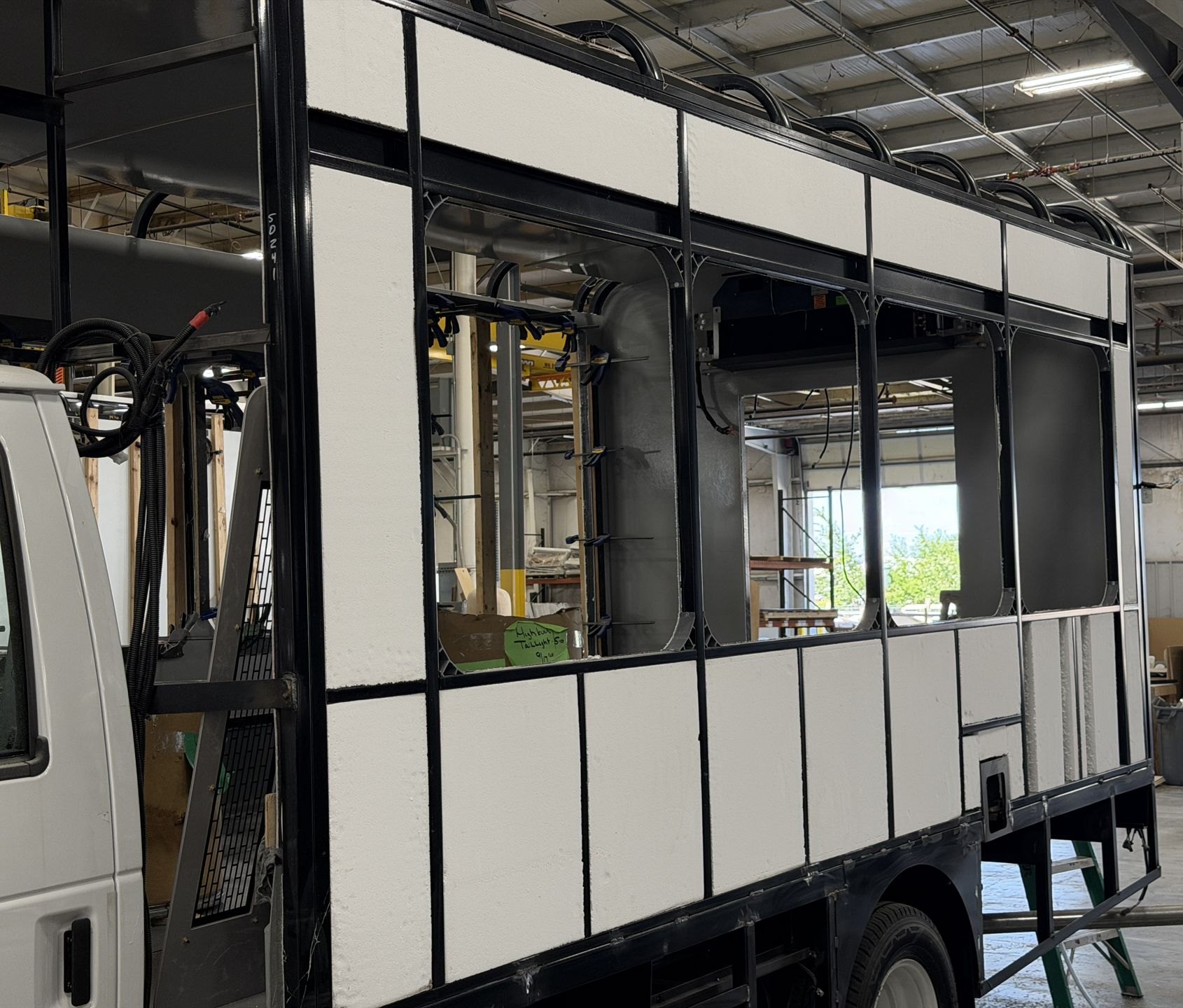
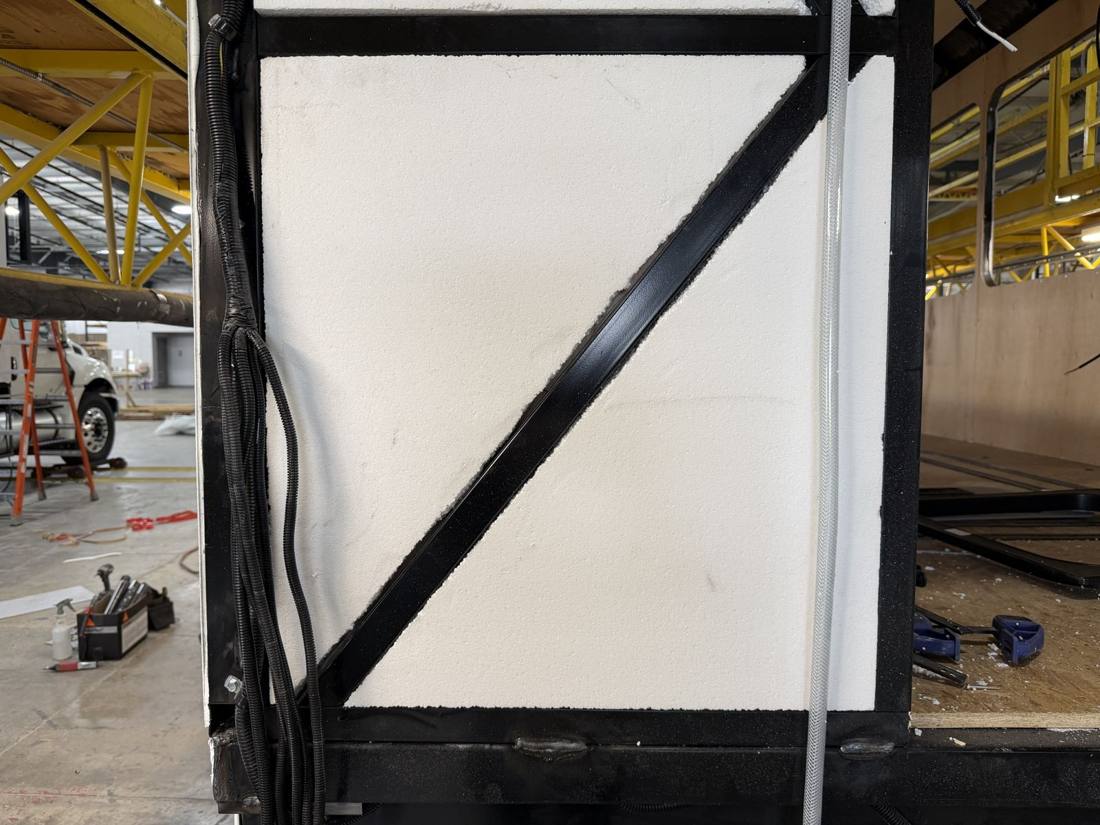
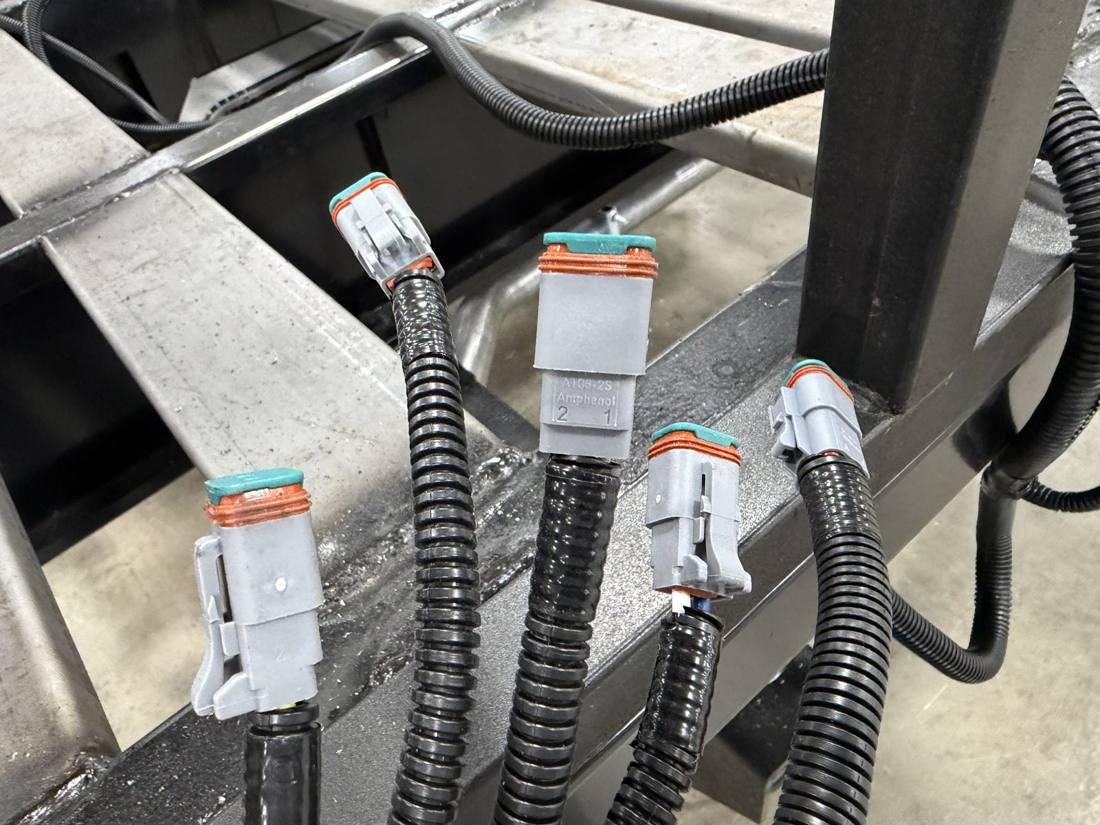
The way a specialty-vehicle buyer gets hurt is almost never price. It is buying on a spec sheet. A first- or second-time buyer gets three proposals with feature lists that look identical — same equipment, same dimensions, same capabilities — so the decision comes down to the number at the bottom. What the spec sheet does not show is what is behind the wall: the framing material and gauge, the substrate, how the sidewalls were laminated, how the wiring was terminated, what the subfloor is made of. None of it is visible at delivery, and by the time it shows up the buyer owns a several-hundred-thousand-dollar asset that cannot go into service.
This section exists to arm you before you sign. It is education first. Read it whether or not you buy from us.
The guides
- How we build itStation by station through the HLE plant: steel, powder coat, cage, foam, lamination, roof, floor, harness shop, rain booth.
- What fails, and whenThe five failure modes that take specialty vehicles out of service, the years each shows up in, and what causes it.
- How to vet a specialty vehicle builderTwenty questions to ask before you sign, and the documents to demand from every bidder.
- Pre-purchase and delivery inspection checklistPrintable. What to look at, what to ask to see, and what to photograph on delivery day.
- Spec sheets are not vehiclesWhy three identical proposals are three different vehicles, and how to compare them on what matters.
- What a warranty actually coversStructural versus general, what prorates, what is excluded, and the ten questions that expose a thin warranty.
- Chassis comparisonsWhich chassis for your body: Ford E-450 vs Chevrolet 4500HD, E-350 vs 3500HD, Freightliner S2C vs International MV607.
The short version
- Ask what the wall is made of and how it is joined. A body built from separate panels has a seam at the floor line, and that seam is where water gets in.
- Ask what the subfloor is and whether it absorbs water. Plywood does. A floor that absorbs water rots.
- Ask what the frame is, what gauge, and how it is protected from corrosion inside the cavity you will never see.
- Ask how the wiring is terminated and whether it is documented. Butt connectors and tap splices are the first electrical fault you will chase.
- Ask whether every unit is water-tested before delivery, for how long, and whether someone is inside looking.
- Ask for the warranty documents themselves, not the summary, and read what is excluded.
Why a builder would publish this
Because every one of those questions is one HLE answers well, and because buyers who ask them buy better vehicles from anybody. If you use this guide to buy from someone else and get a vehicle that lasts, it did its job.
Built at investment grade, defined
Still working in year ten.
The spec sheet has a box for cabinets and no box for what they are made of. A $300,000 vehicle with particleboard in the wet areas is falling apart in six months. Here is what is under HLE's skin, and what to ask any builder.
Request a proposal
Tell us the vehicle. We tell you what it costs and what to attach.
Pick a plan or describe the program. Say whether you need a price, a bid package, a grant kit or a formal proposal. A person at HLE reads every request; nothing goes to a queue.
Or call 574-343-2150, 7:30 to 4:30 Eastern, and ask for Tabatha.