
Home › What we build › Mobile training trailers
What we build · Education and community
Mobile training trailers
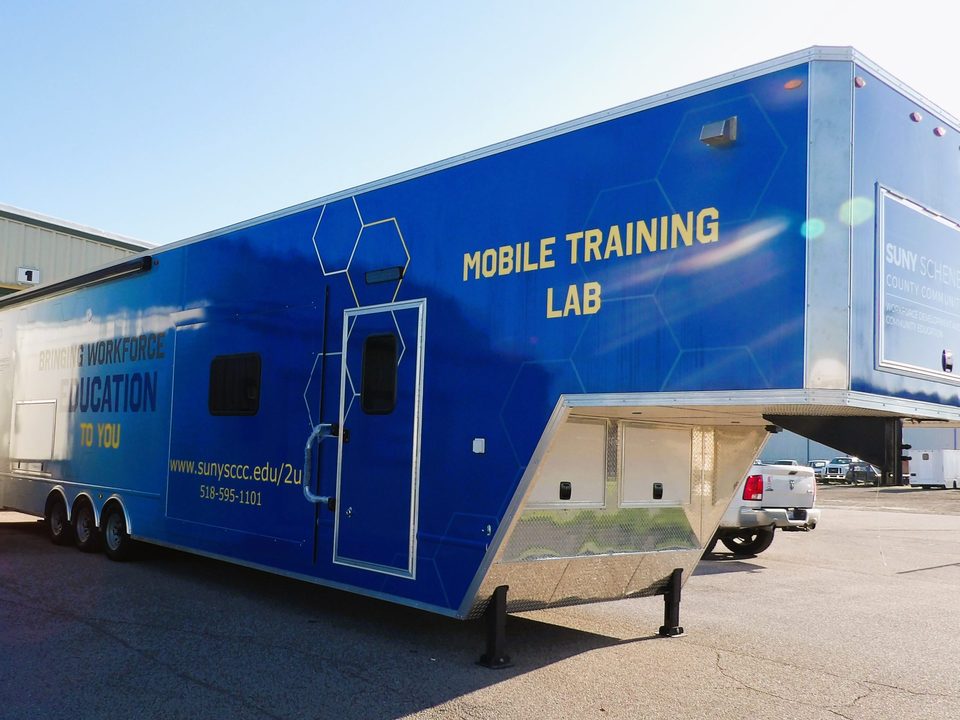
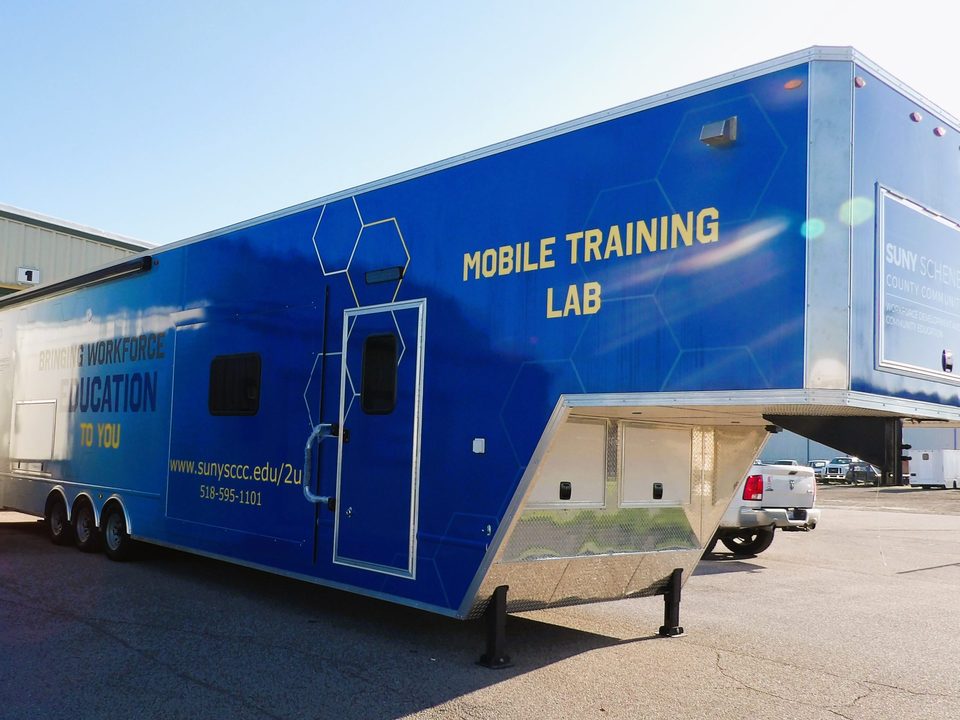
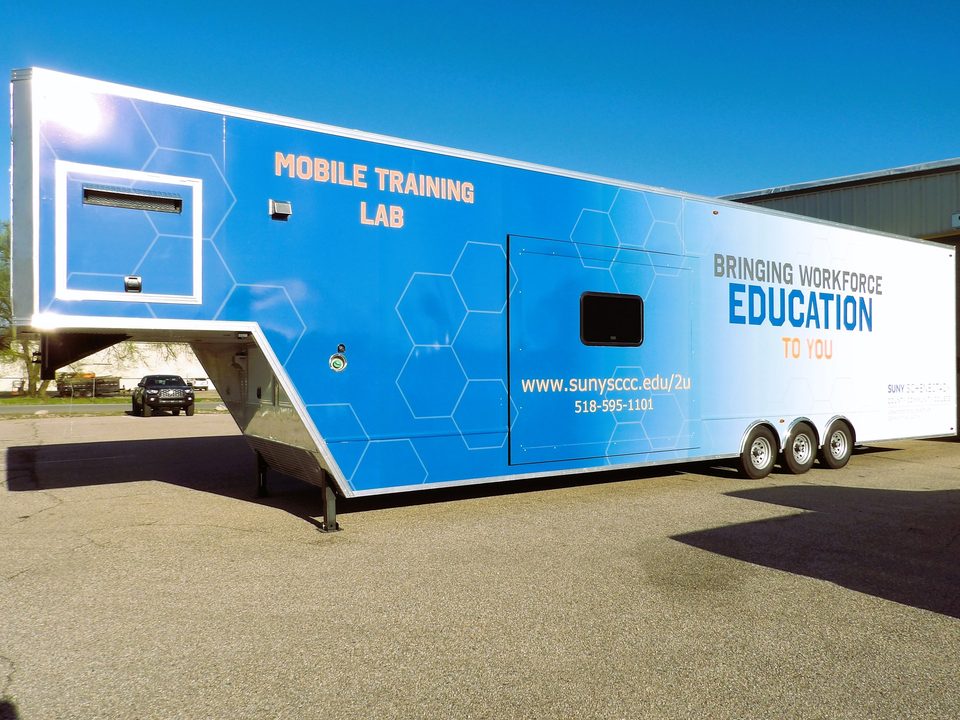
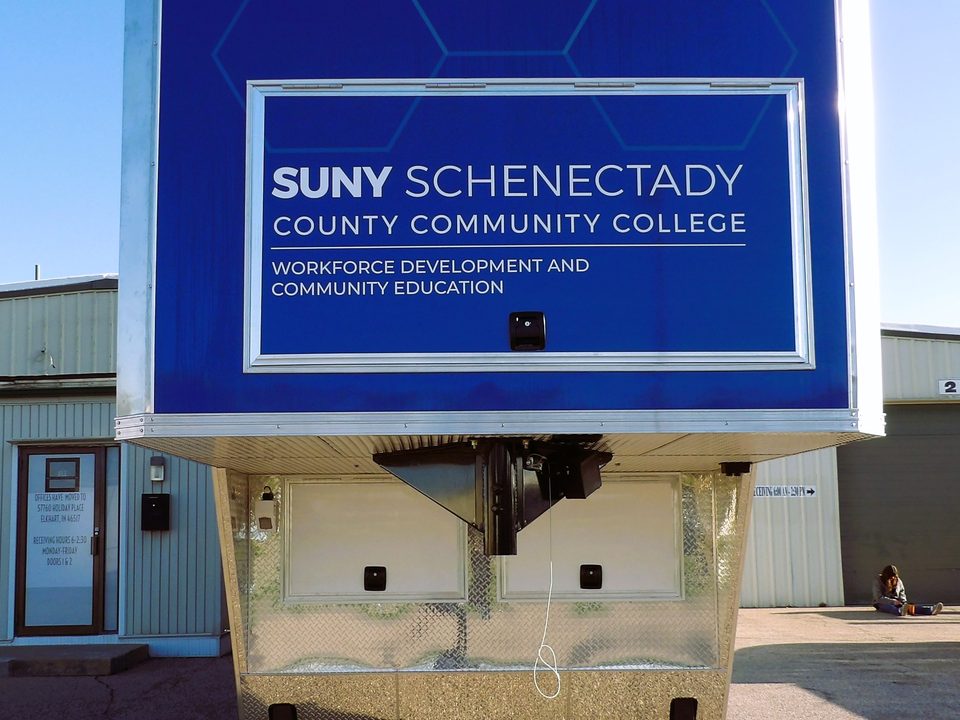
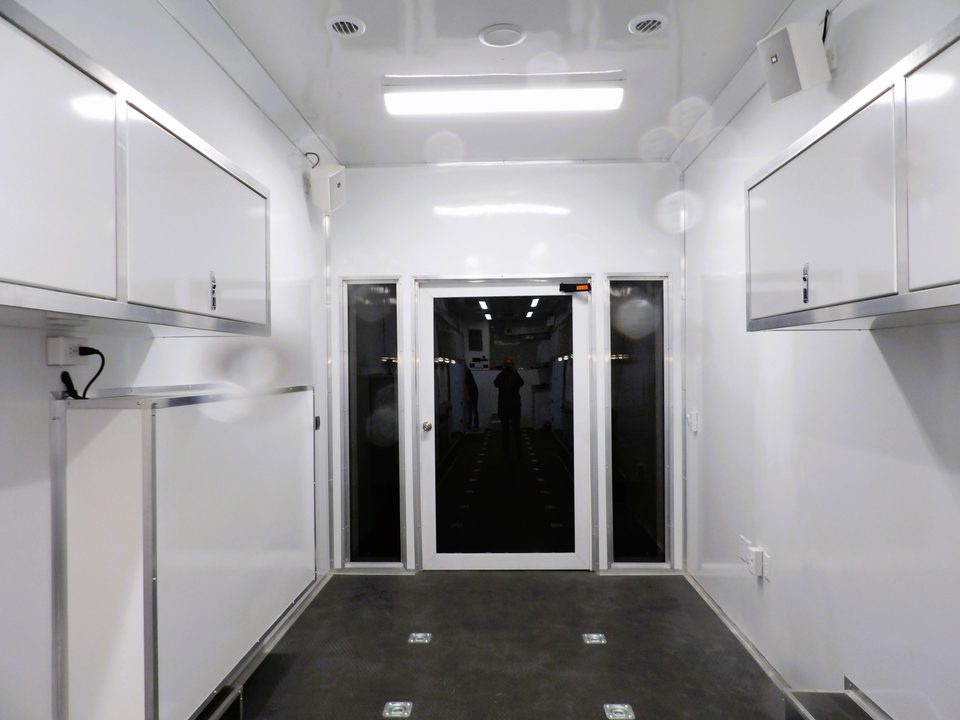
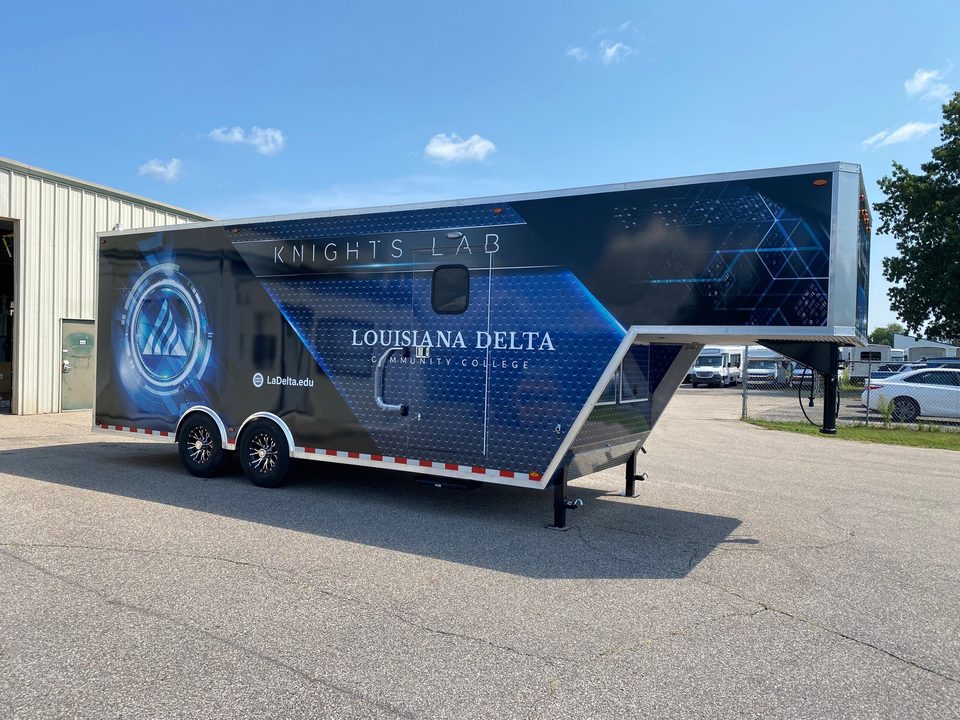
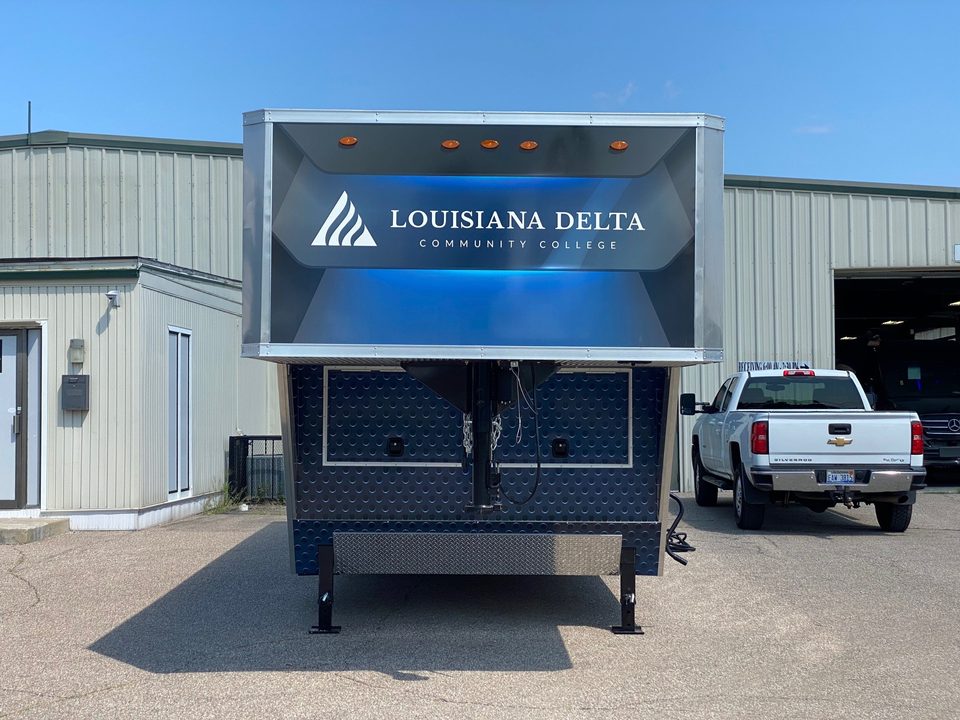
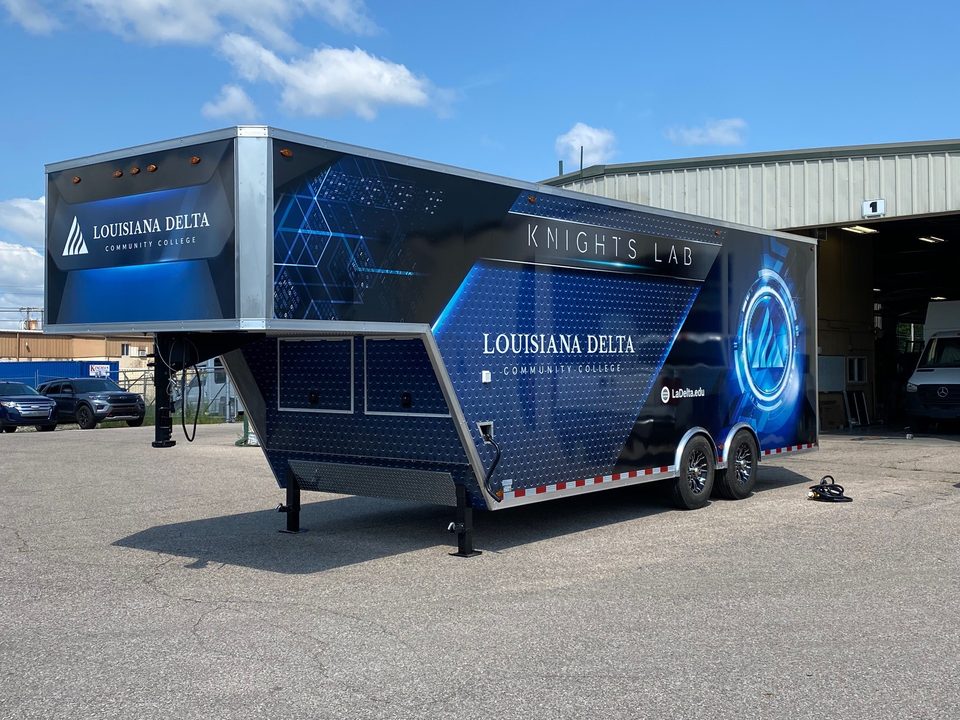
A mobile training trailer is a lab, a shop and a classroom that goes where the students and the jobs are: a rural campus, an employer’s plant, a high school career fair, a county that has no technical college. High Level Enterprises builds mobile training trailers and workforce training units for community and technical colleges, trade schools, workforce boards and employers. HLE has delivered gooseneck training trailers to Louisiana Delta Community College, to another community college, and a set of 53-foot lab trailers to a state technical college system. See also mobile classrooms and STEM labs and gooseneck and specialty trailers.
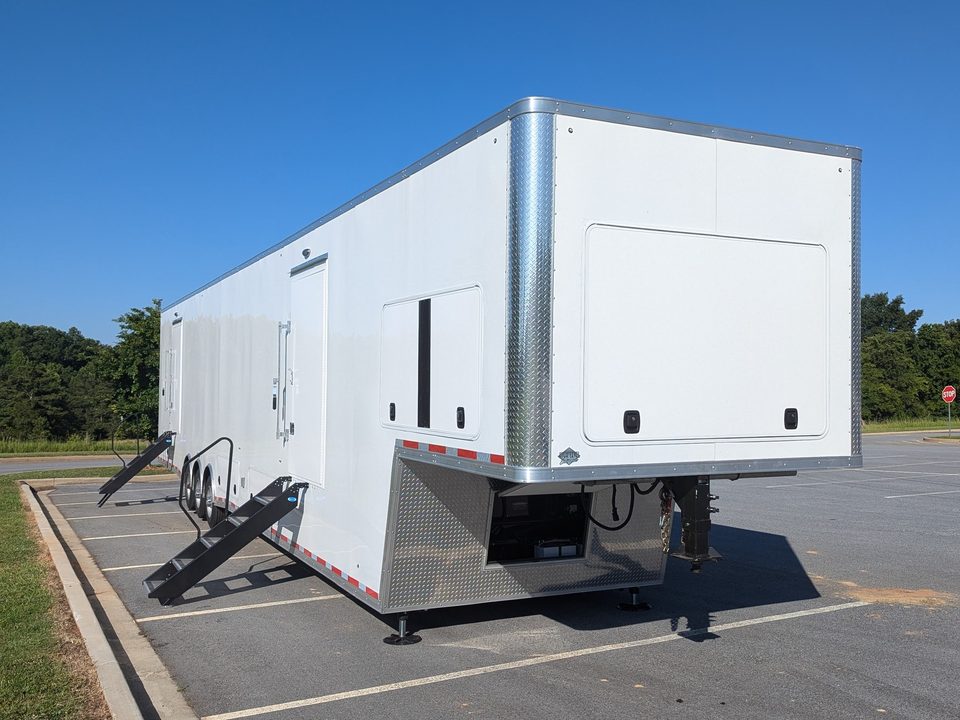
Delivered
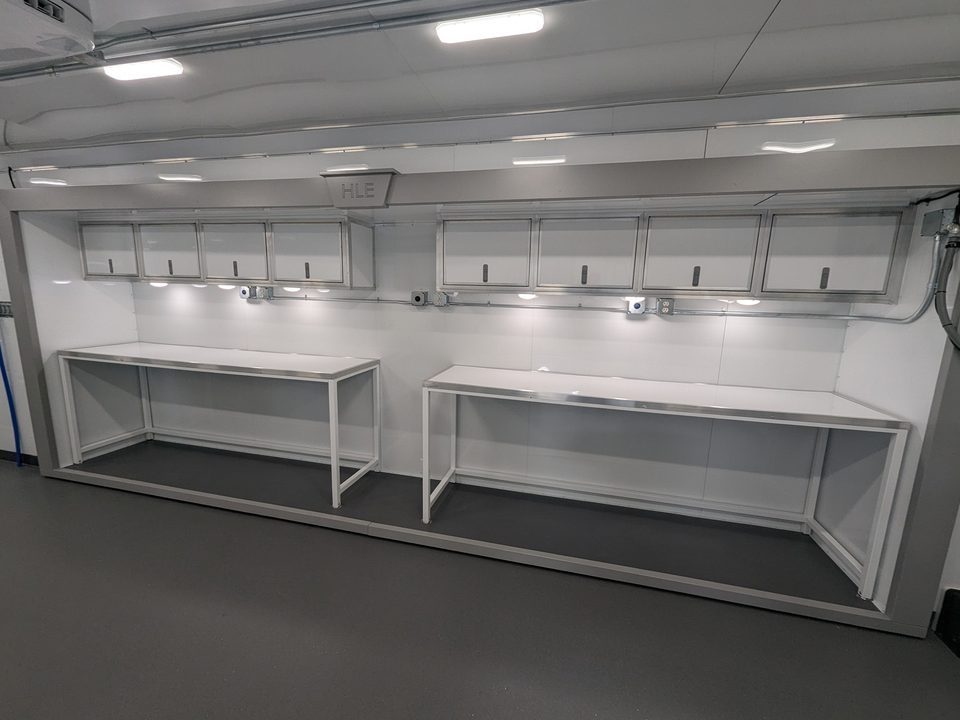
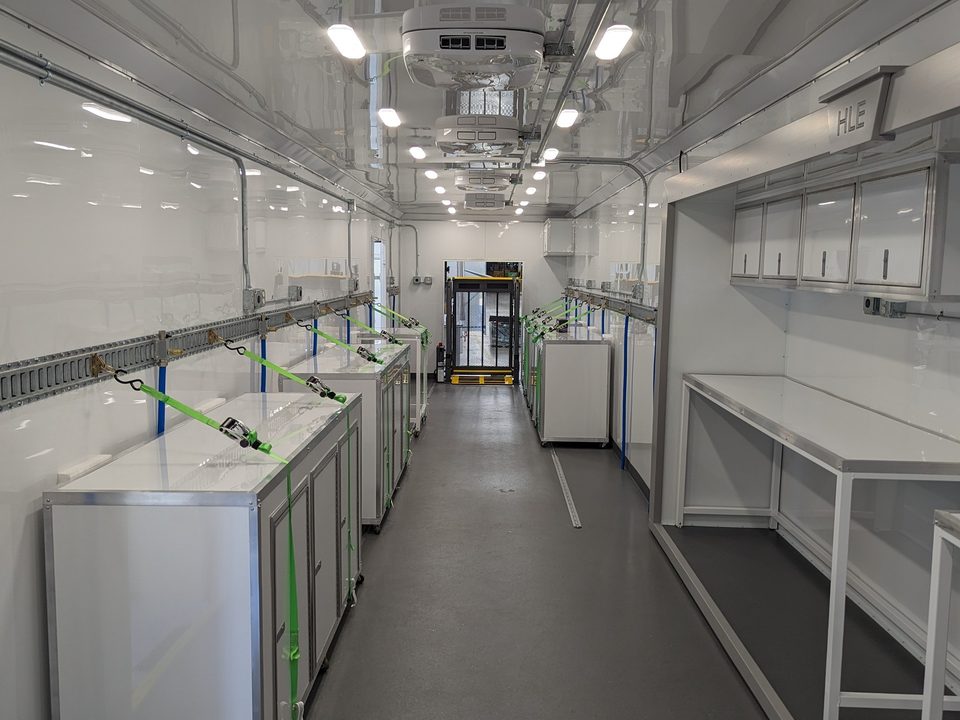
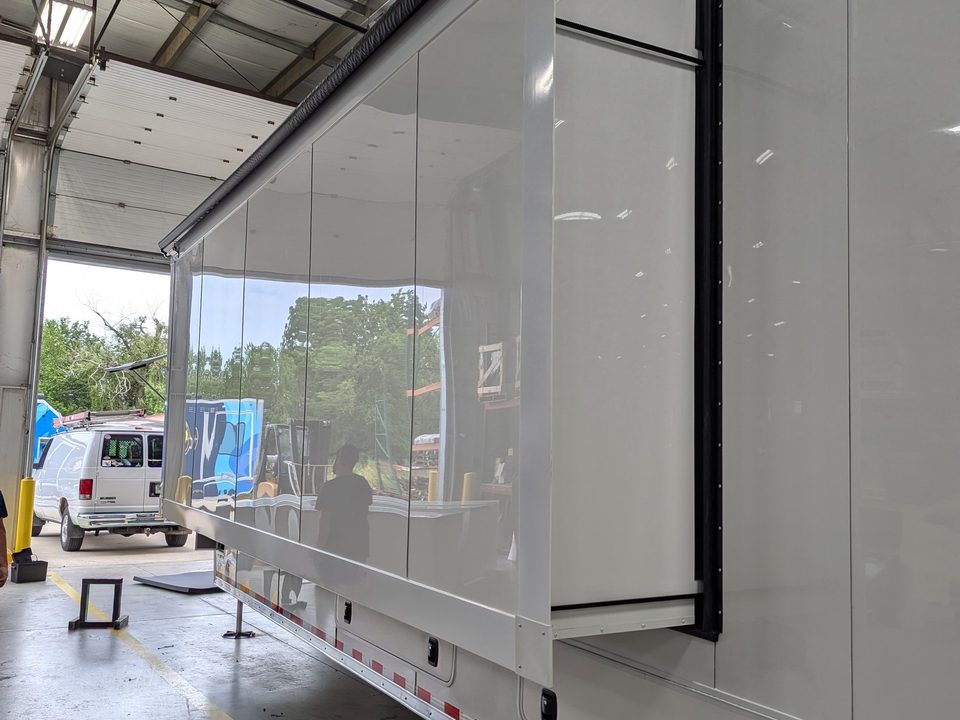
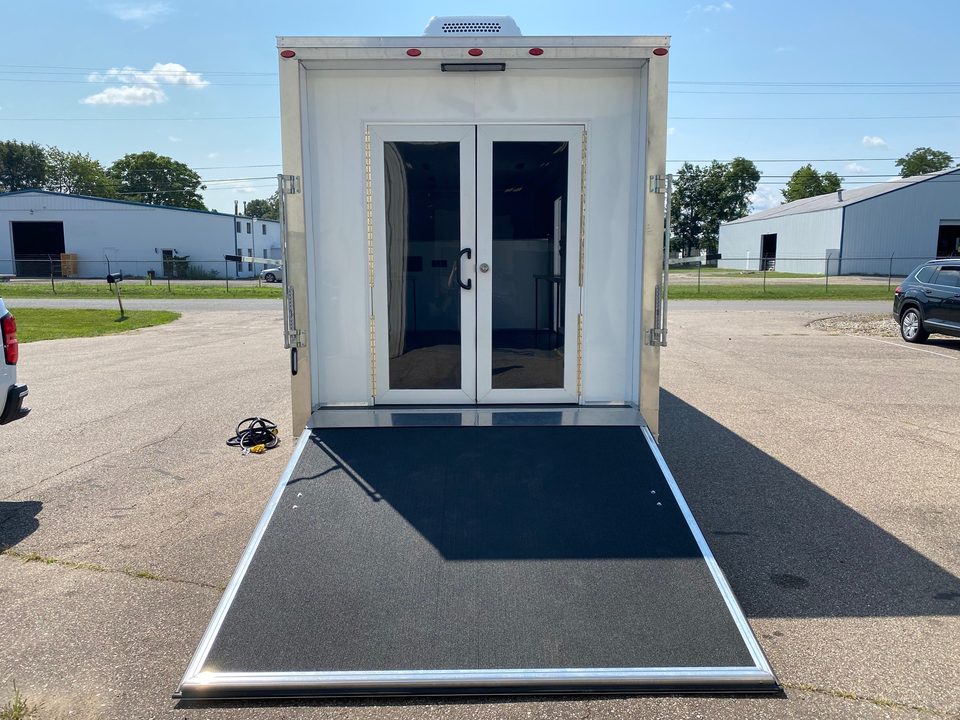
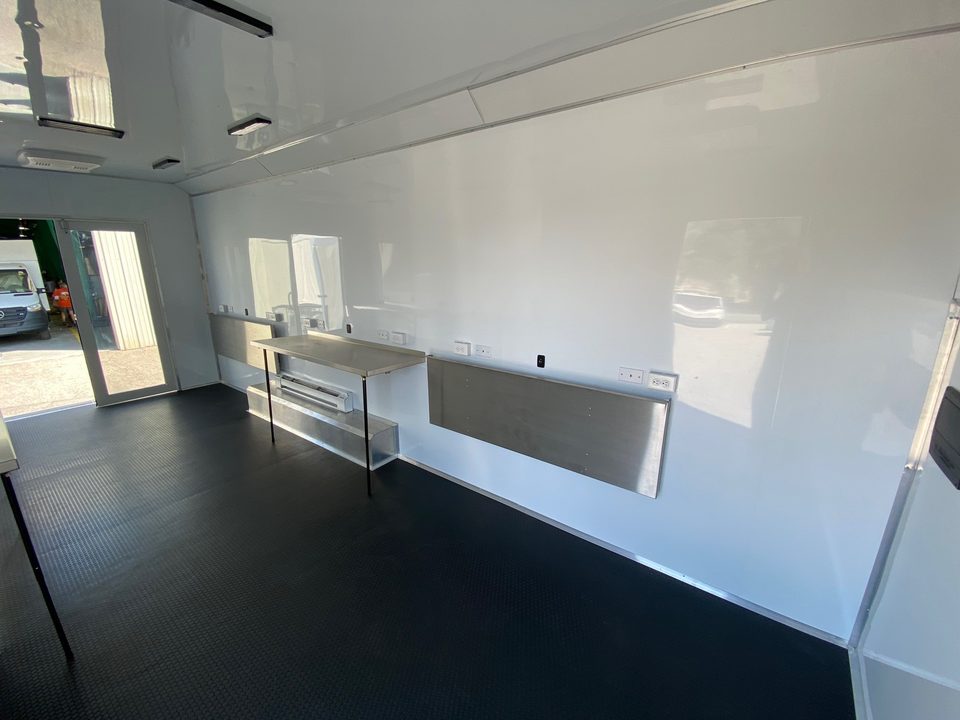
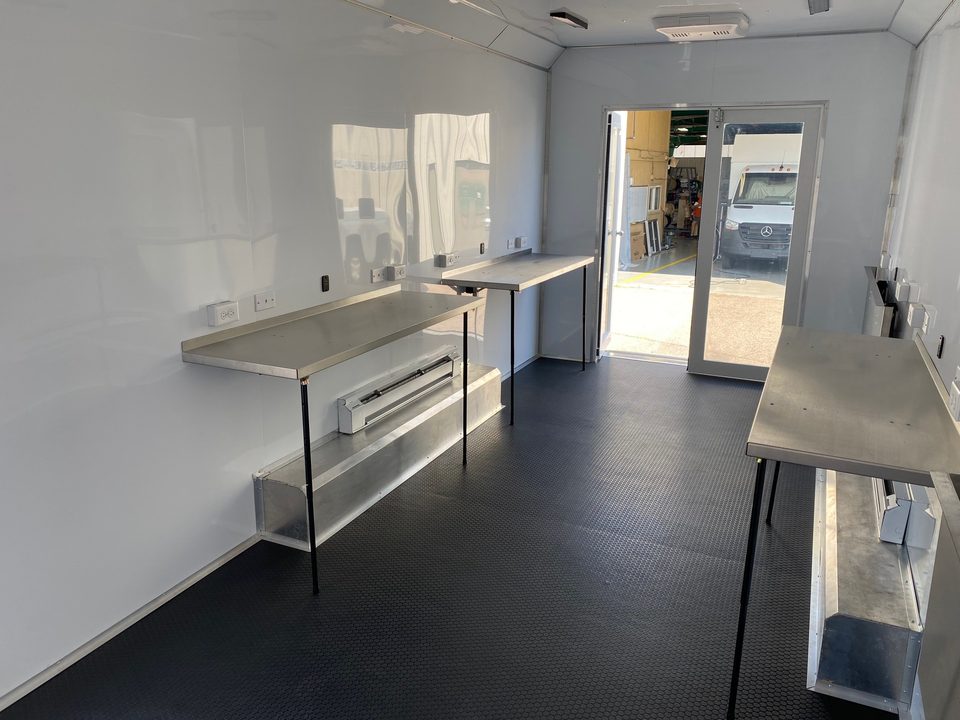
Mobile training trailers we have built
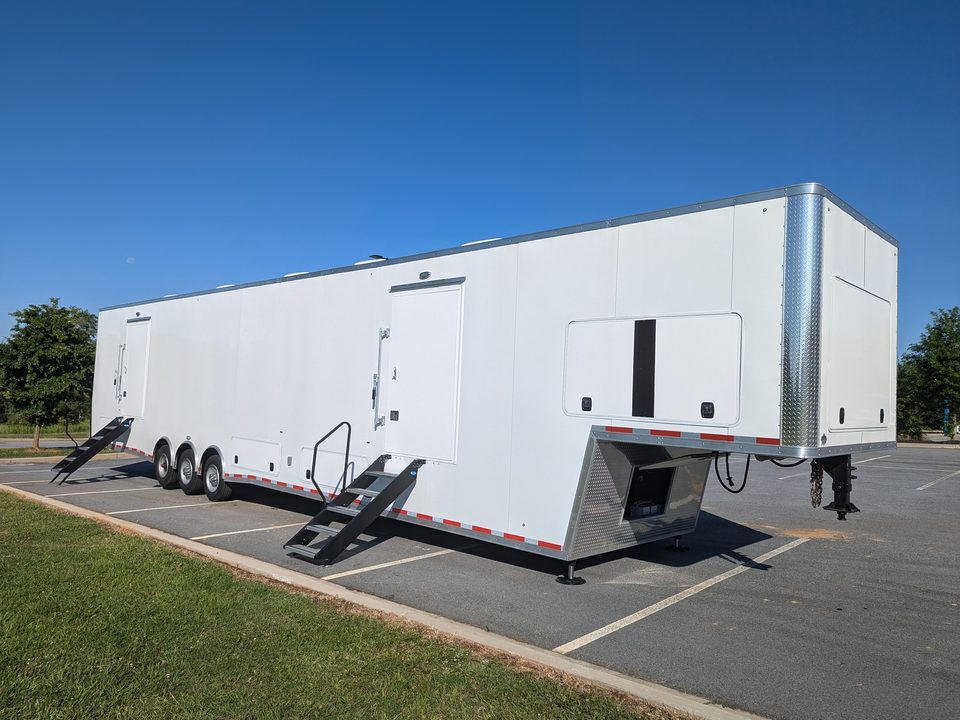
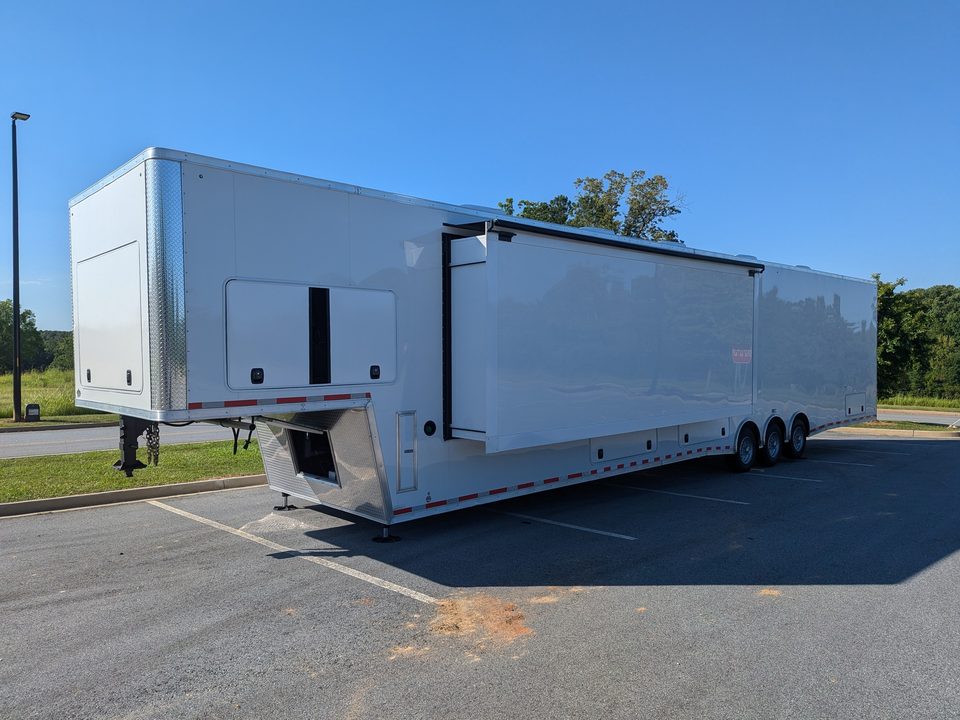
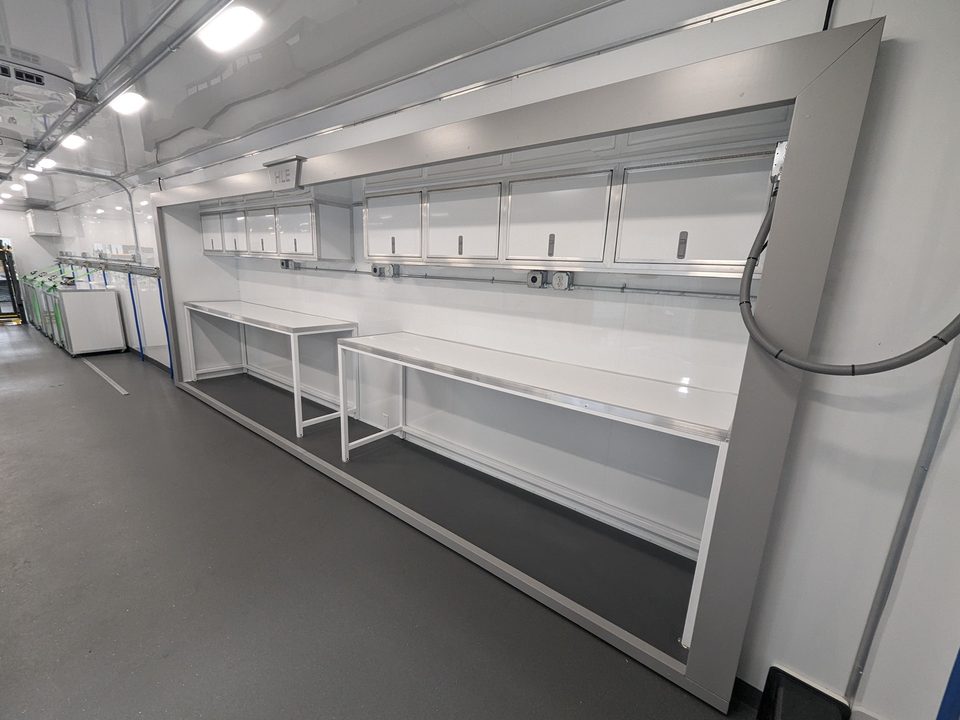
Start from a plan
Proven layouts to start from
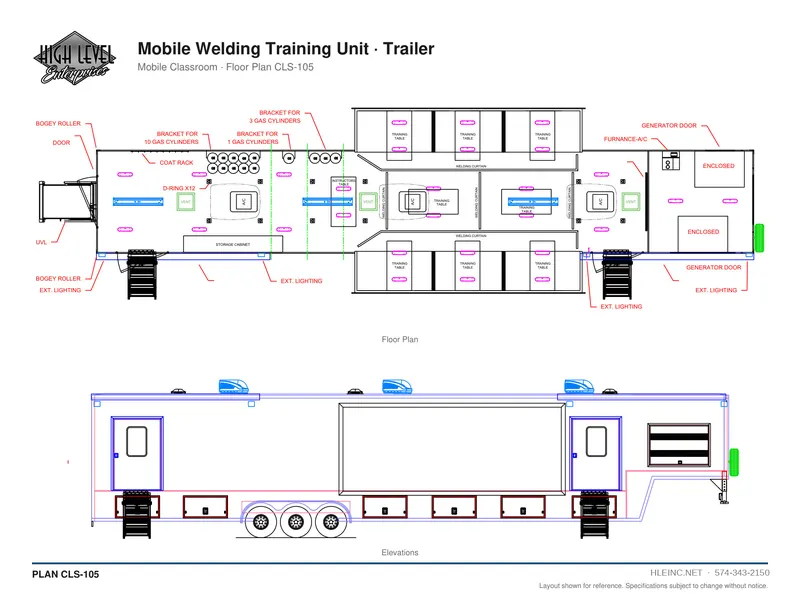
Mobile Welding Training Unit
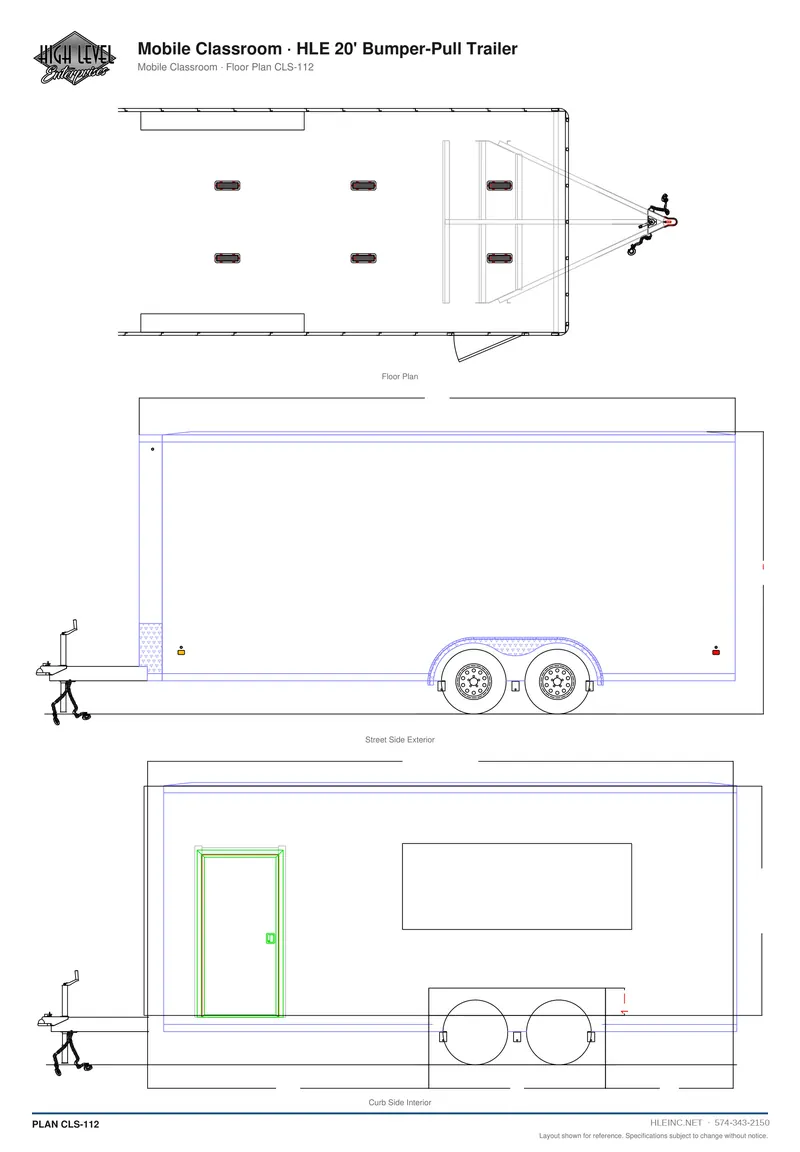
Mobile Classroom
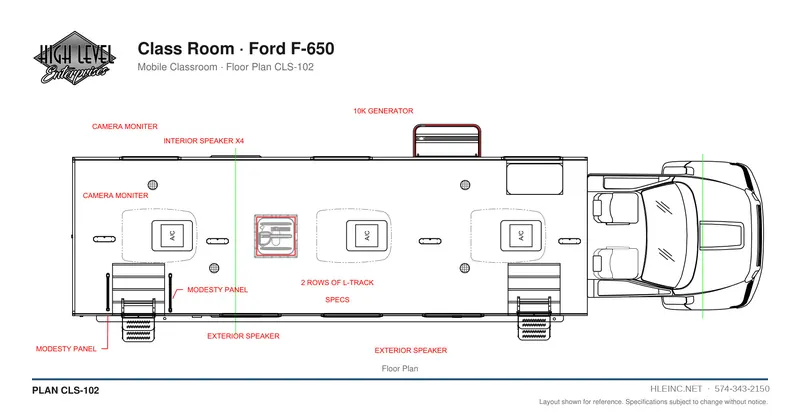
Classroom
Three of the plans drawn for this vehicle type. Every plan can be built as drawn or used as the starting point.
Who buys a mobile training trailer
- Community and technical colleges — CTE and workforce programs delivered at satellite campuses, high schools and employer sites.
- Trade schools and apprenticeship programs — welding, electrical, HVAC and other skilled-trades training where the equipment has to travel.
- Workforce boards and state workforce agencies — mobile workforce training vehicles that bring short courses and testing to rural counties.
- Employers and industry partners — on-site training for a plant or a project, without sending the crew away.
What HLE builds into a training trailer
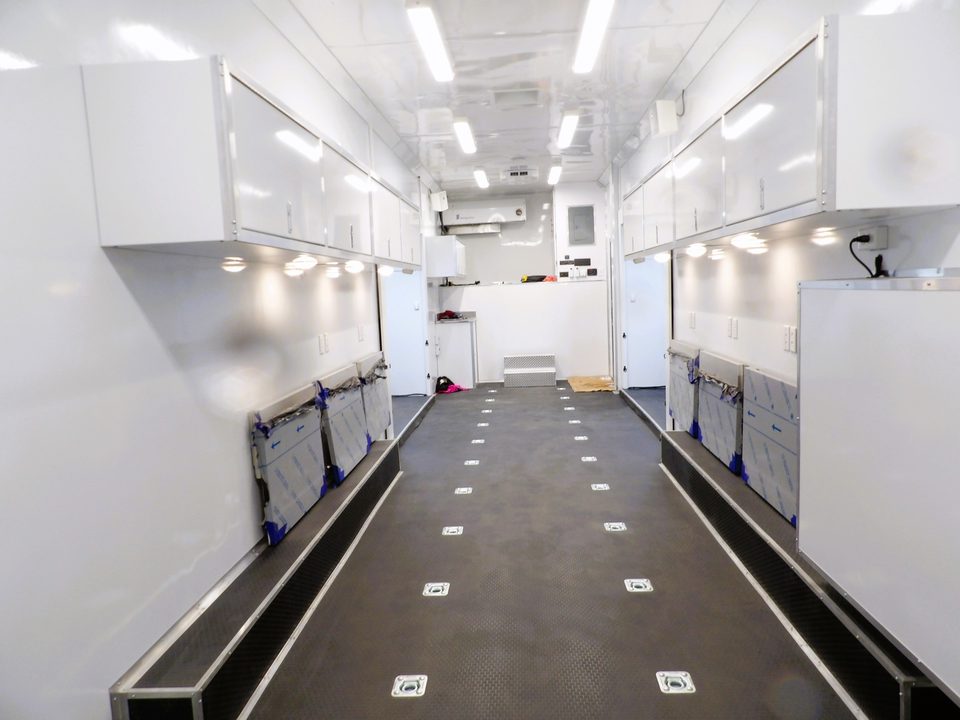
- Work benches and stations — full-length benches, cabinets and storage built for the equipment you train on.
- Shop systems — generator, compressor, power and ventilation sized to the equipment list; welding booths on a welding unit.
- Access — rear ramp doors for equipment, entry steps and a wheelchair lift.
- Classroom space — an instructor station and display for the part of the course that happens before the hands-on work.
- Exterior — awning, exterior lighting and graphics from the HLE graphics department.
Platforms
HLE-built bumper-pull trailers for small labs and gooseneck trailers up to 53 feet, triple-axle, for full shop and lab programs. A mobile welding training trailer (CLS-105) and gooseneck and bumper-pull classroom trailers are in the floor plan library below.
How this unit is built
The construction column for a training trailer
What HLE does, and what to ask any builder before you compare quotes. The full column is on How we build it.
What HLE builds
1.5 in square steel tube cage, welded, powder-coated before the body goes on. Foam insulation cut to each cavity, not stuffed.
What to check on any proposal
Ask for the tube section and whether the cage is coated before or after assembly. "Steel frame" says neither.
What HLE builds
One piece of Impact Guard composite across the roof, bonded to the cage over the steel roof structure. No thin fiberglass that cracks under UV or a hailstone.
What to check on any proposal
Ask what the roof skin is and where its seams are. The first leak is at the seam you cannot see.
What HLE builds
Resin-infused composite subfloor over the cage; it sheds water instead of absorbing it. Seamless medical-grade sheet vinyl coved up the wall where the use calls for it.
What to check on any proposal
What is under the vinyl? A plywood subfloor goes soft after one winter of mopping.
What HLE builds
Every unit through the rain booth: at least 15 minutes under full spray with a person inside looking for water, then straight into a road test with someone inside still watching for leaks.
What to check on any proposal
Ask whether every unit is water-tested and how. A hose in the yard is not a test.
Common questions
What directors ask first
Trailer or self-propelled?
A trailer gives the most floor space for the money and can stay at a site for a semester while the tow vehicle goes back to work. A self-propelled classroom moves daily with one driver. See mobile classrooms for the self-propelled options.
Can it run where there is no hookup?
Yes. The onboard generator carries the load; shore power connects where it is available.
Can we install our own training equipment?
Yes. HLE provides the power, ventilation, mounts and space to your equipment list, and installs what you send us.
Do I need a CDL to tow it?
It depends on the combined weight rating of the trailer and the tow vehicle. We will tell you where your configuration lands and spec the tow vehicle with you.
Request a proposal
Tell us the vehicle. We tell you what it costs and what to attach.
Pick a plan or describe the program. Say whether you need a price, a bid package, a grant kit or a formal proposal. A person at HLE reads every request; nothing goes to a queue.
Or call 574-343-2150, 7:30 to 4:30 Eastern, and ask for Tabatha.