
Home › What we build › Mobile DMV and licensing offices
What we build · Education and community
Mobile DMV and licensing offices
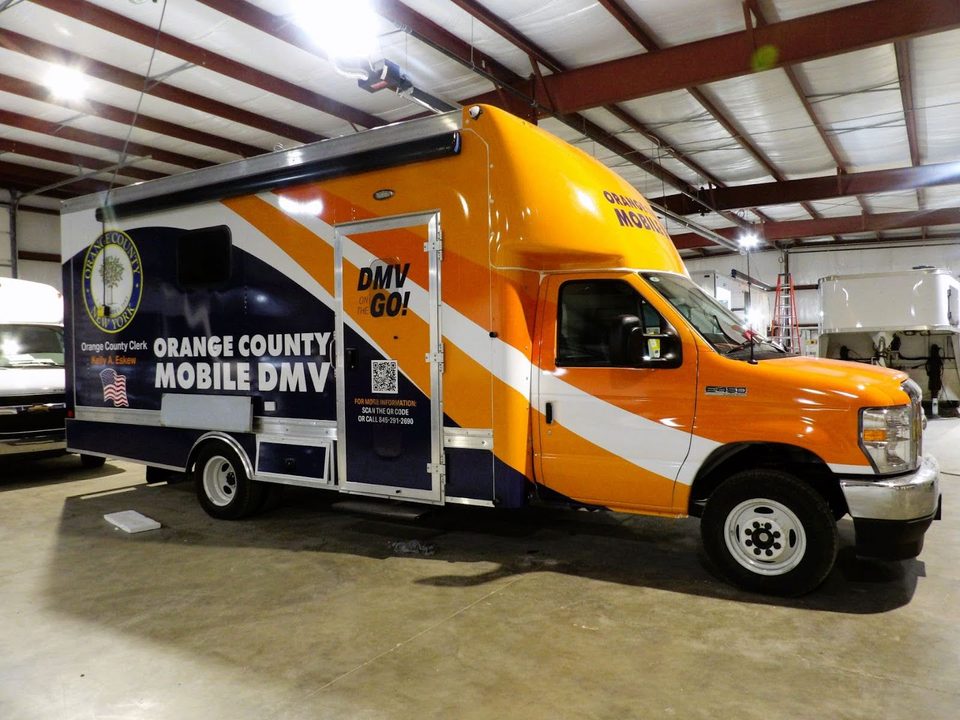
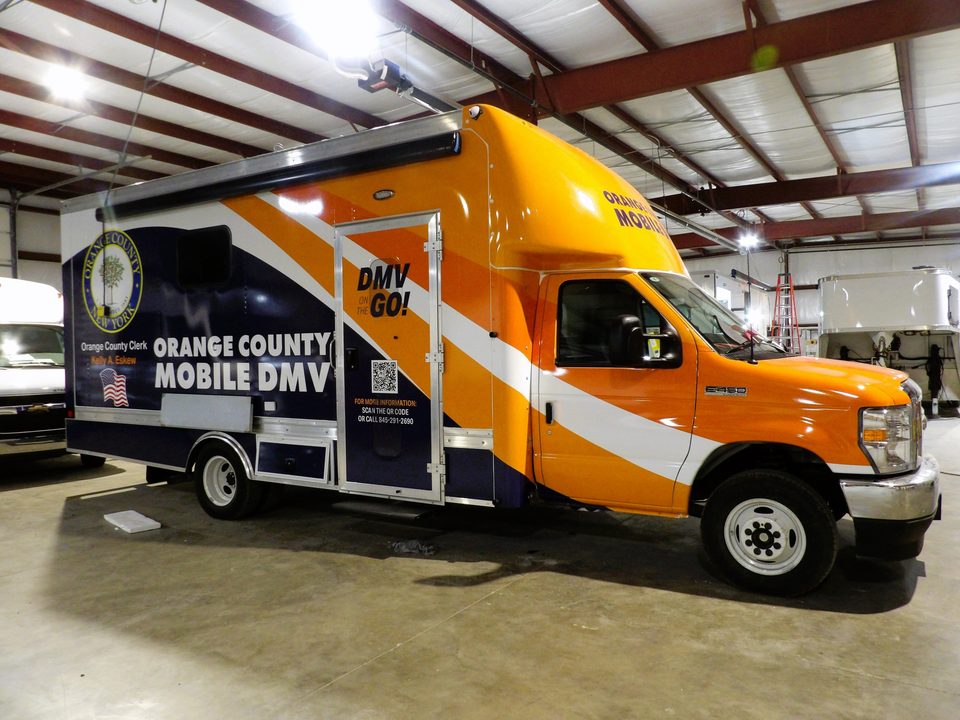
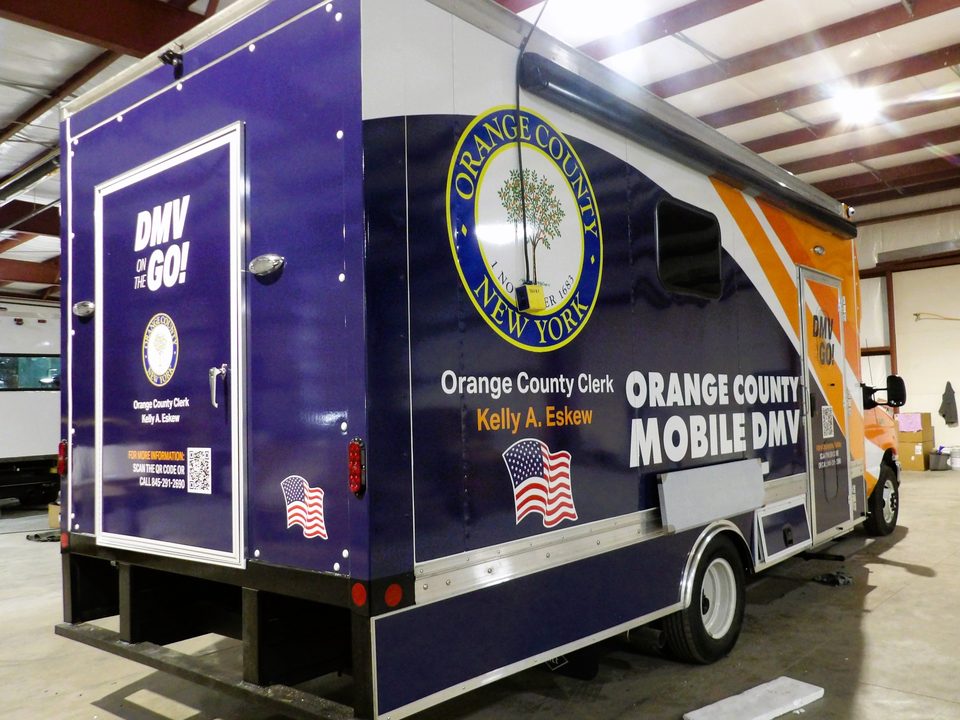
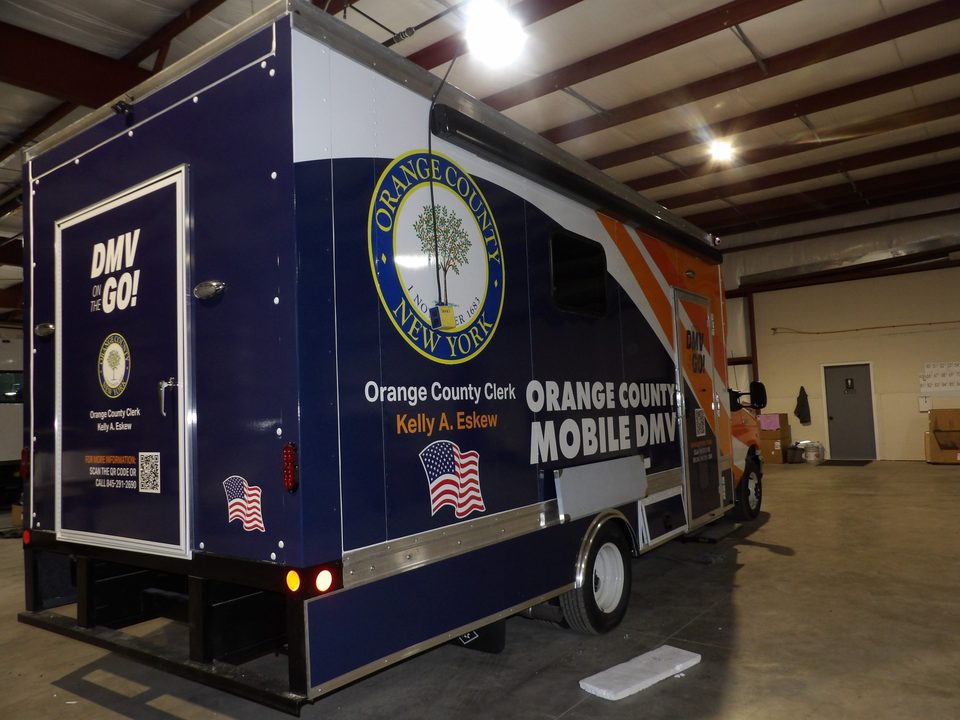
A mobile DMV office is a working branch on wheels: service windows, a camera and photo station, secure storage for documents and card stock, a wheelchair lift, and the power and connectivity to reach the state system from a parking lot. High Level Enterprises builds mobile DMV and licensing offices for state motor vehicle departments, county clerks and licensing agencies — from a one-window van to a multi-window coach. HLE built the Orange County, New York mobile DMV office on a Ford E-450 cutaway.
Delivered
Mobile DMV and licensing offices we have built
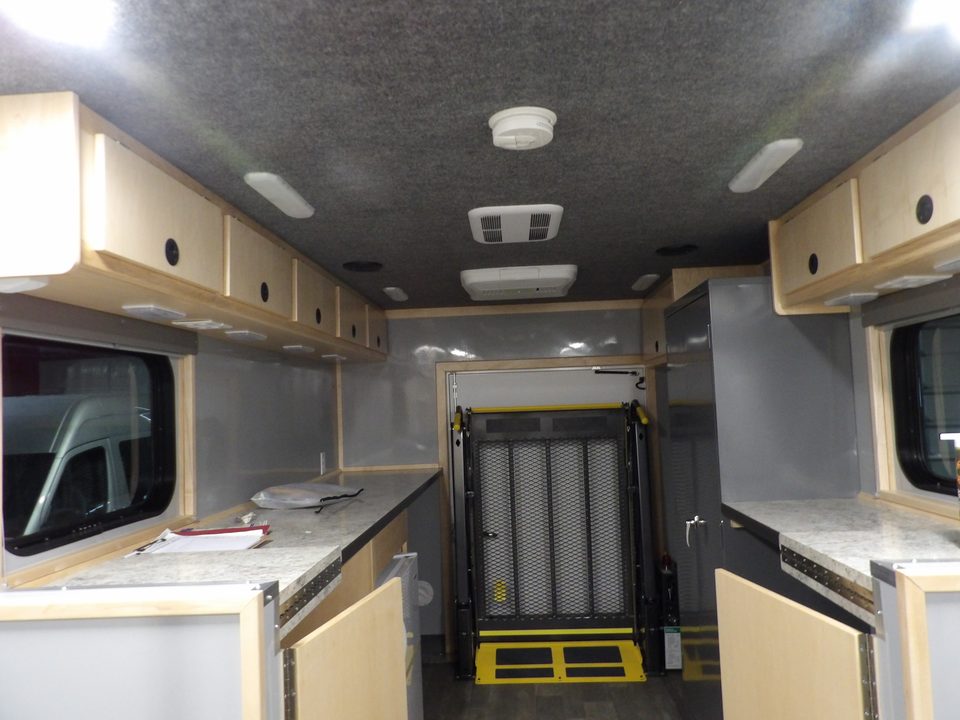
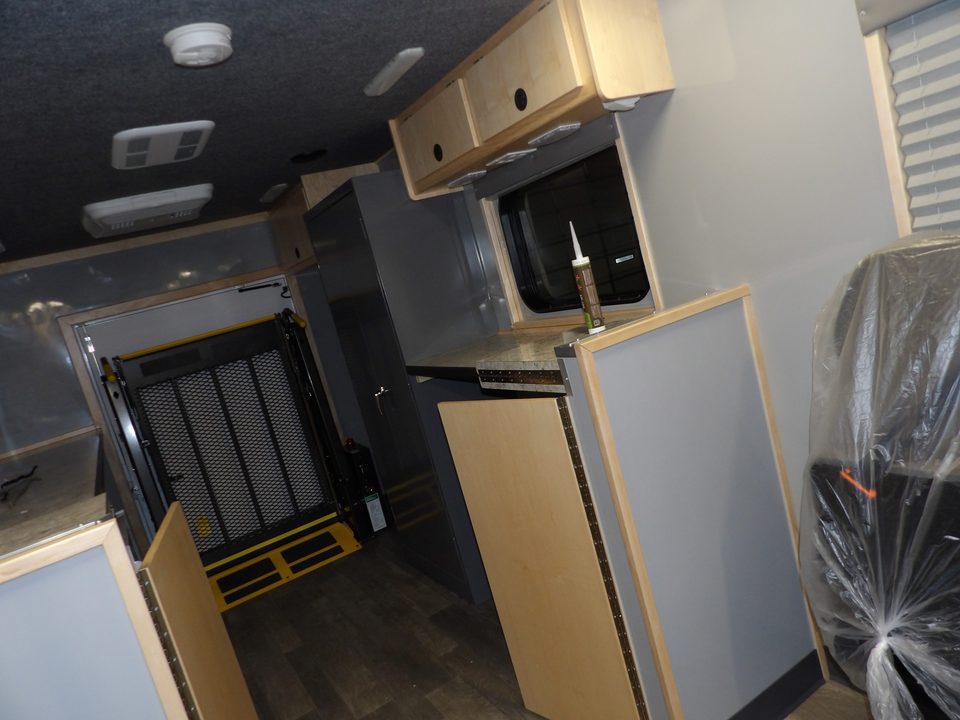
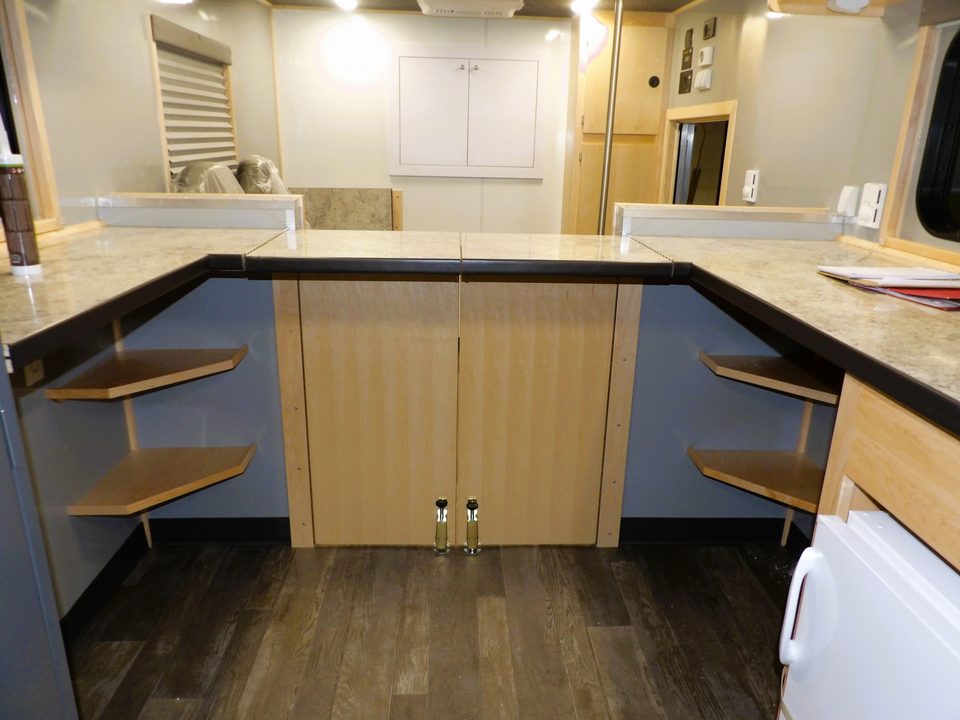
Start from a plan
Proven layouts to start from
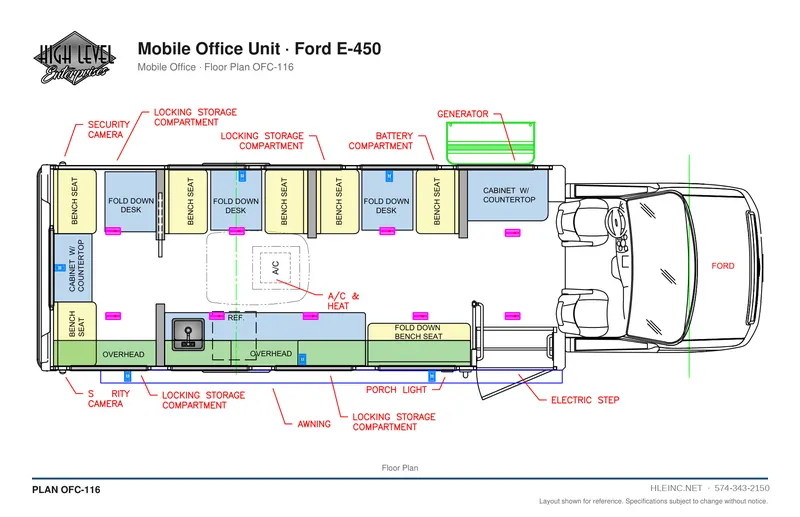
Mobile Office Unit
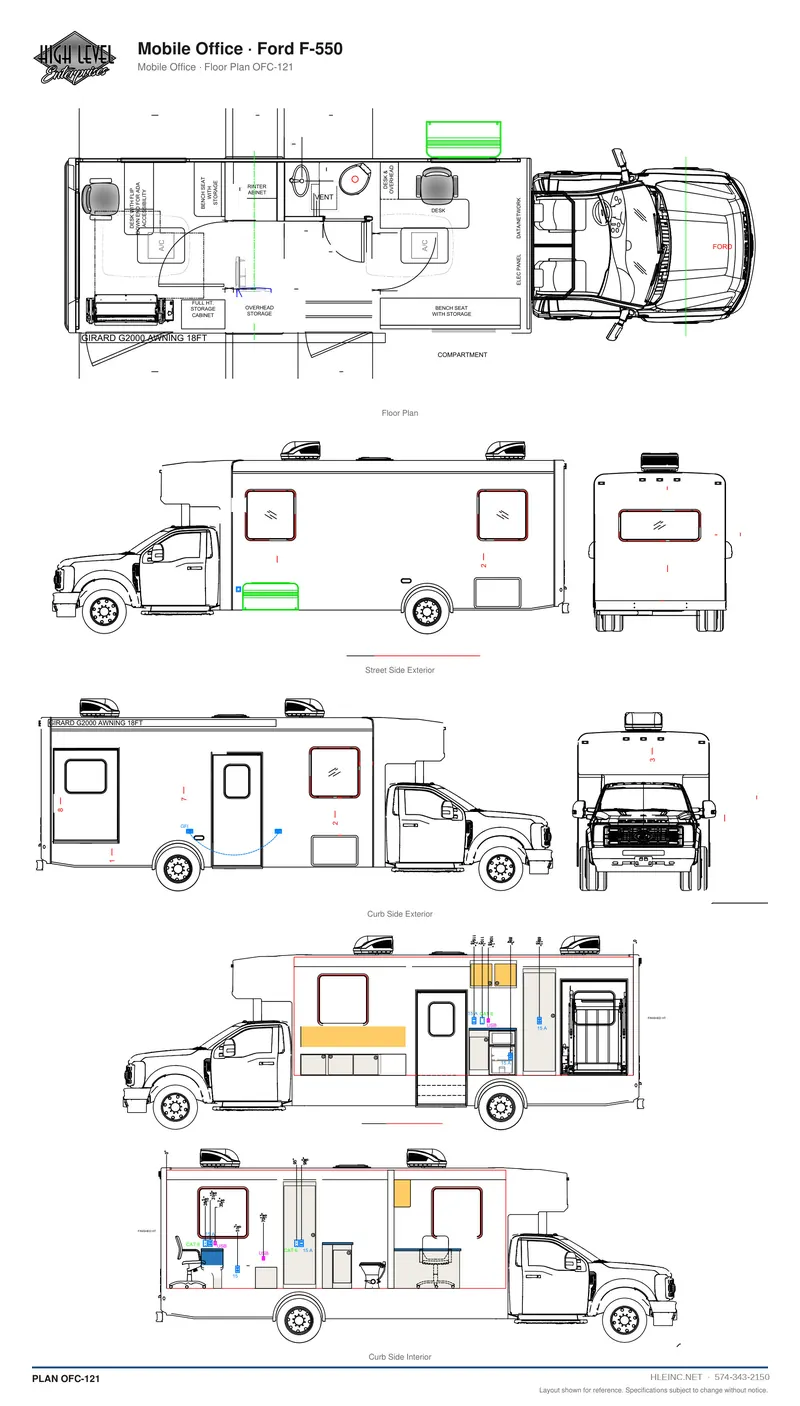
Mobile Office
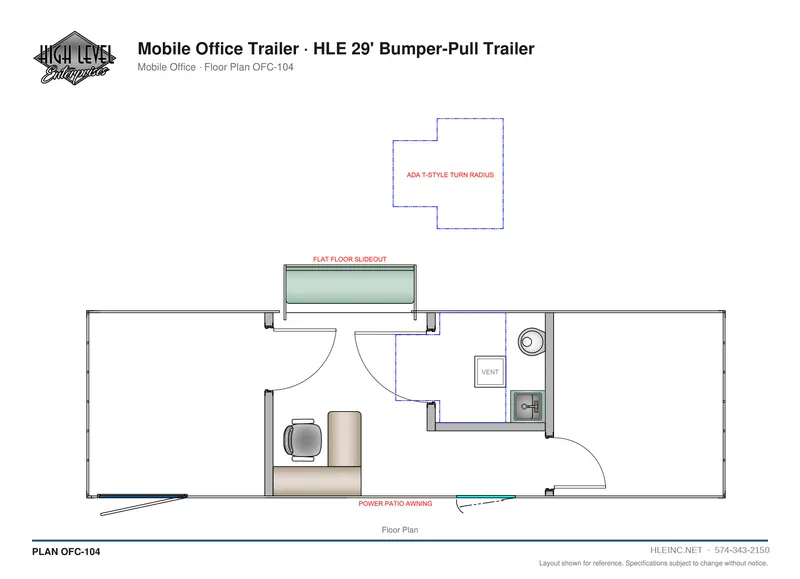
Mobile Office Trailer — HLE 29' Bumper-Pull Trailer
Three of the mobile office plans a DMV unit is usually started from. Every plan can be built as drawn or used as the starting point.
What drives the price
Not a tier. A size, a use and the equipment.
HLE does not build a cheap mobile DMV office and a good one. It builds a one-window van office and a multi-window coach with a photo station, on a van, a cutaway, a medium-duty truck or a trailer, with the equipment you bring or the equipment HLE supplies. Four things move the number; everything else is detail.
The number of service windows, the platform and the connectivity package drive the number.
The proposal itemizes each driver, so you can see what moves your number.
Mobile DMV and licensing offices
Typical range for recent HLE units, from the lowest sold to the highest quoted. Larger or more heavily equipped units run above it; your number comes with the proposal.
| Driver | Choices | Moves the range by |
|---|---|---|
| Platform and length | Ford Transit for a one-window office · Ford E-450 or F-550 cutaway for two or three service windows with a lift · Ford F-650, Freightliner S2C or International MV607 for multi-window coaches · HLE-built bumper-pull or gooseneck trailer for offices that stay on site | sets the base |
| Service windows and stations | Customer service windows or counter stations, a camera and photo station, a vision-test station, a waiting area inside the door, locking storage for documents and card stock, restroom on larger units | per station |
| Major equipment | Workstations wired for the state or county system, document and card printers, camera, signature pads, a safe or locking cabinets for plates, card stock and payments. HLE-supplied or customer-furnished; customer-furnished equipment is itemized separately. | itemized |
| Access and power | ADA wheelchair lift or ramp · generator · shore power · battery backup for network gear · satellite or cellular connectivity · HVAC sized for a line at the door | itemized |
Most mobile DMV office projects: 3 to 6 months after the signed order, deposit and chassis. A typical build does not run past 6 months; a rush build has gone from purchase order to finished unit in about 80 days (rush builds).
Get a budget price for a plan →Who buys a mobile DMV office
- State motor vehicle departments — license and ID renewals, REAL ID visits and registrations in rural counties, at senior centers and at events.
- County clerks and county DMV offices — a branch that rotates between towns on a published schedule.
- Licensing and permitting agencies — professional, hunting and fishing, and business licensing in the field.
- Election and constituent-services offices — voter registration and constituent services from the same platform (see also mobile office units).
- Disaster-recovery teams — replacement licenses and documents where a branch is closed.
What HLE builds into a mobile DMV office
- Service windows — one to several customer windows or counter stations, each with a workstation, document printer and signature pad, at standing or seated height.
- Photo station — a camera position with a fixed backdrop and lighting, and room for the vision-test station beside it.
- Secure document handling — locking cabinets or a safe for plates, card stock and payments; a staff-only area behind the counter.
- Access and queueing — ADA wheelchair lift or ramp, a waiting area inside the door, exterior awning and lighting for the line, and a queue display or ticket system where the agency uses one.
- Power — generator, shore power, and battery backup so workstations ride through a switchover.
- Connectivity — satellite or cellular connectivity with a network rack, set up to the agency’s IT requirements for reaching the state system.
- Comfort — HVAC sized for staff and a line at the door, restroom on larger units.
Platforms
Ford Transit for a one-window office; Ford E-450 and F-550 cutaways for two or three service windows with a lift; Ford F-650, Freightliner S2C and International MV607 for multi-window coaches; HLE-built bumper-pull and gooseneck trailers for offices that stay on a site. The floor plans below come from the mobile office library and are the usual starting point.
How this unit is built
The construction column for a mobile DMV office
What HLE does, and what to ask any builder before you compare quotes. The full column is on How we build it.
What HLE builds
1.5 in square steel tube cage, welded, powder-coated before the body goes on. Foam insulation cut to each cavity, not stuffed.
What to check on any proposal
Ask for the tube section and whether the cage is coated before or after assembly. "Steel frame" says neither.
What HLE builds
One piece of Impact Guard composite across the roof, bonded to the cage over the steel roof structure. No thin fiberglass that cracks under UV or a hailstone.
What to check on any proposal
Ask what the roof skin is and where its seams are. The first leak is at the seam you cannot see.
What HLE builds
Resin-infused composite subfloor over the cage; it sheds water instead of absorbing it. Seamless medical-grade sheet vinyl coved up the wall where the use calls for it.
What to check on any proposal
What is under the vinyl? A plywood subfloor goes soft after one winter of mopping.
What HLE builds
Every unit through the rain booth: at least 15 minutes under full spray with a person inside looking for water, then straight into a road test with someone inside still watching for leaks.
What to check on any proposal
Ask whether every unit is water-tested and how. A hose in the yard is not a test.
Common questions
What directors ask first
Can it connect to our state system from the field?
Yes. HLE builds in satellite or cellular connectivity and a network rack, and sets them up to your IT department’s requirements. Your agency’s IT team configures the system access itself.
How many service windows fit?
One on a van, two or three on a cutaway, and more on a medium-duty coach or trailer. The floor plan is drawn around how many customers you expect in a day.
Where does the photo station go?
At a fixed camera position with a plain backdrop and controlled lighting, usually beside the vision-test station so one staff member can run both.
How are documents and card stock kept secure?
Locking cabinets or a safe behind the counter, a staff-only area, and camera provisions where the agency requires them.
Can it run with no hookup?
Yes. The generator is sized for the workstations, printers, HVAC and lift, with shore power for days at a fixed site and battery backup so a switchover does not drop a transaction.
Is it accessible?
Yes. An ADA wheelchair lift or ramp and an accessible service window are standard on units that serve the public.
Request a proposal
Tell us the vehicle. We tell you what it costs and what to attach.
Pick a plan or describe the program. Say whether you need a price, a bid package, a grant kit or a formal proposal. A person at HLE reads every request; nothing goes to a queue.
Or call 574-343-2150, 7:30 to 4:30 Eastern, and ask for Tabatha.