
Home › What we build › Prisoner transport vehicles
What we build · Justice
Prisoner transport vehicles
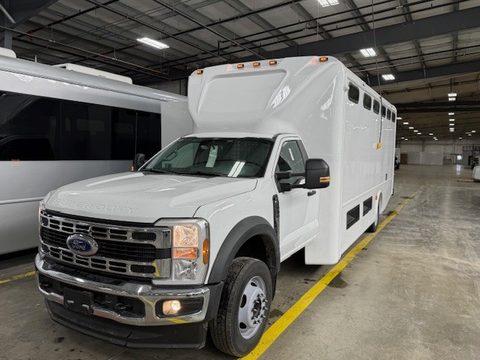
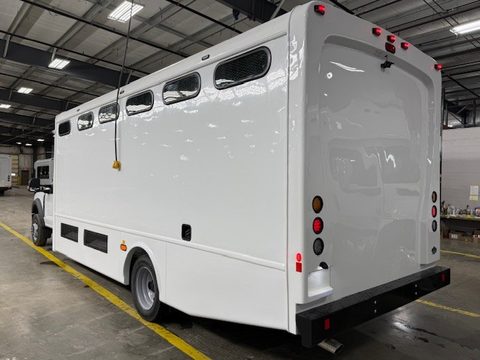
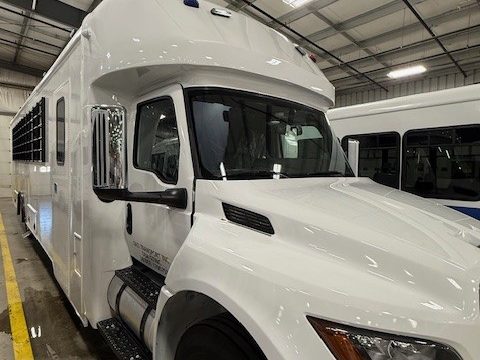
A prisoner transport vehicle is a secure facility that moves. It has to keep detainees separated by classification, give the officer sightlines and control, stand up to constant washing and abuse, and satisfy the standards a procurement officer will check. High Level Enterprises is a prisoner transport vehicle manufacturer: jail transport vans, inmate transport buses (also called prison or jail transport buses) and everything between. It designs and builds them for sheriff’s departments, state and county corrections, private transport contractors and federal detention contractors — from a cargo-van insert to a 48-passenger bus — and has delivered them in fleet quantities. See everything you need to know about custom prison transport vehicles and prisoner transport van: what to know before you buy.
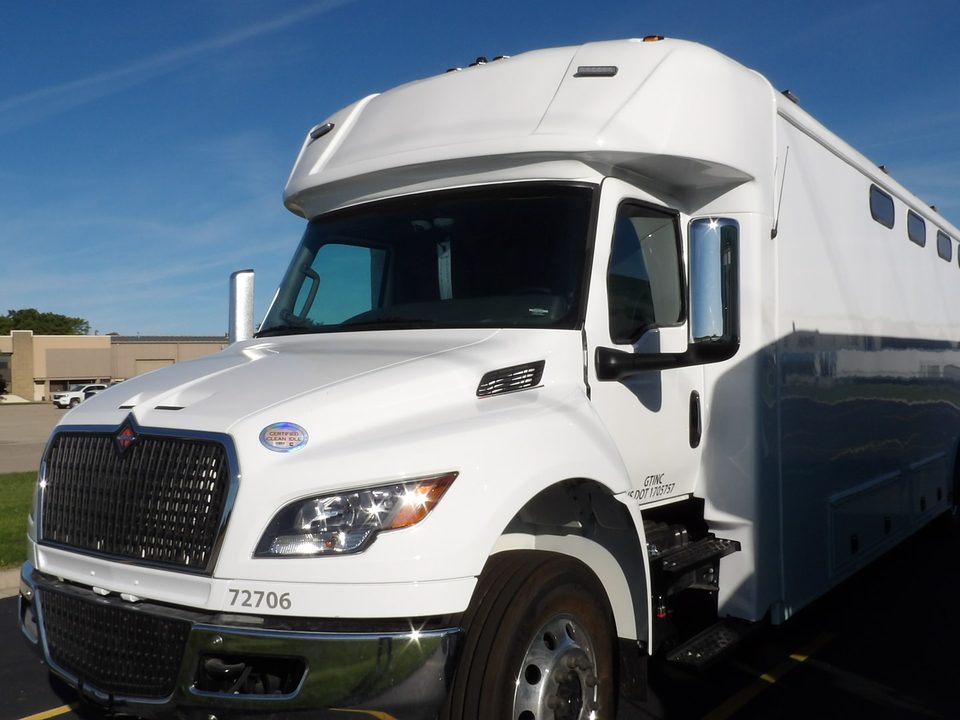
Walk around
On video, outside the plant
Delivered
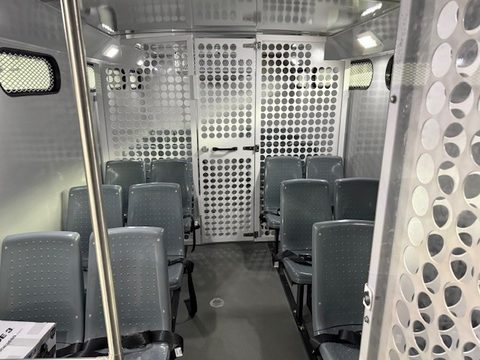
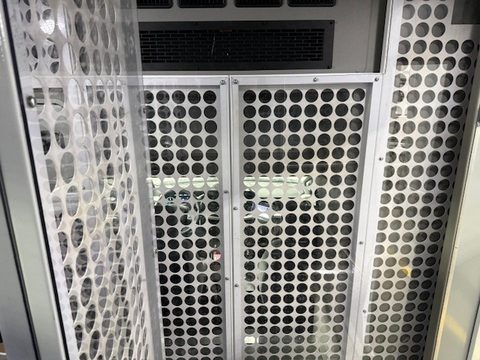
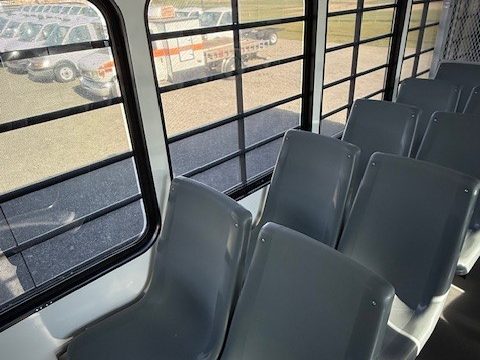
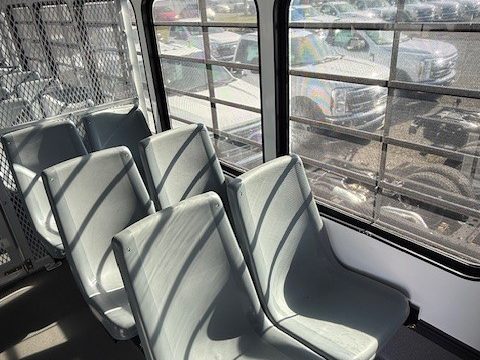
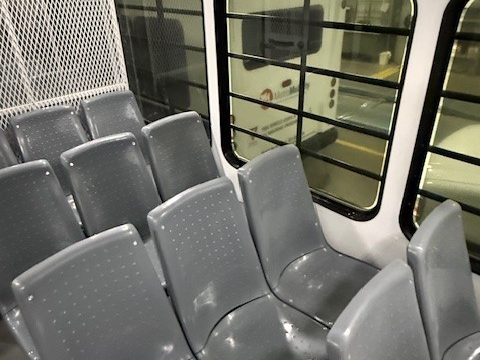
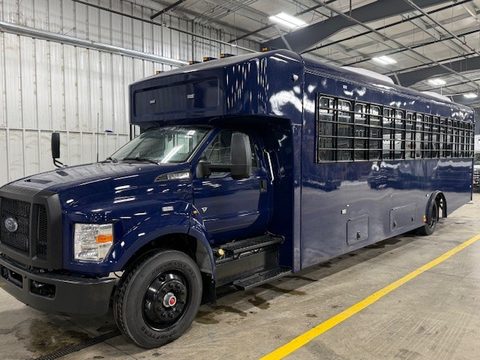
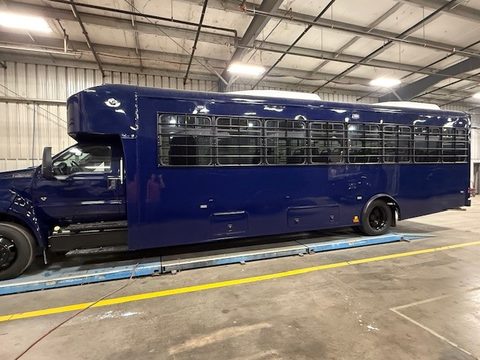
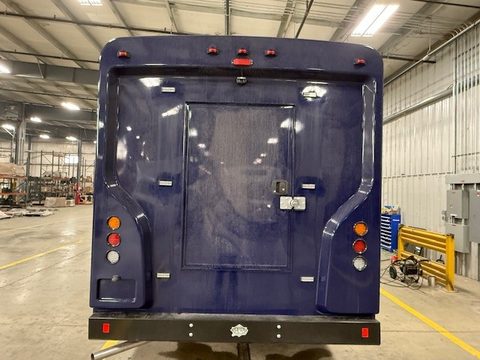
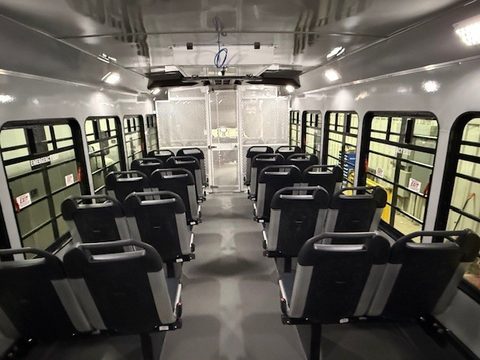
Prisoner transport vehicles we have built
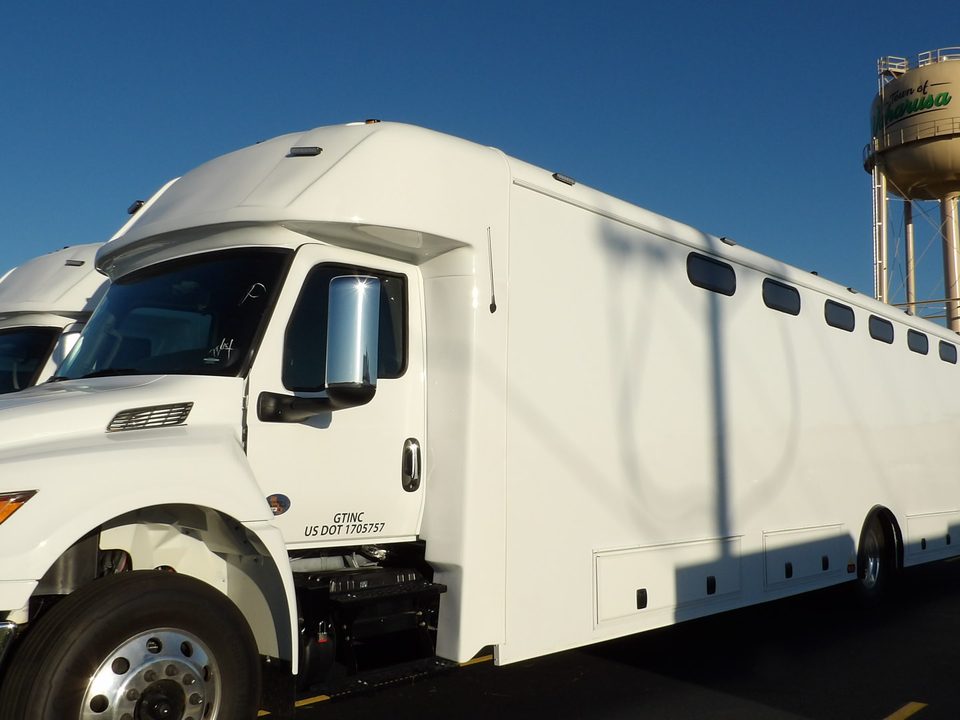
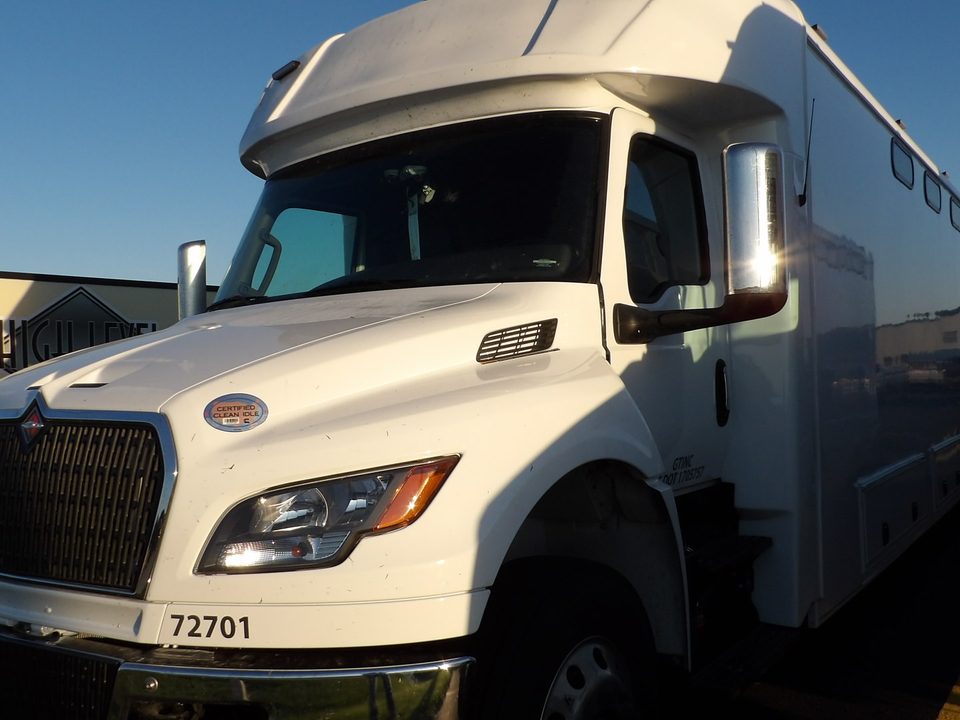
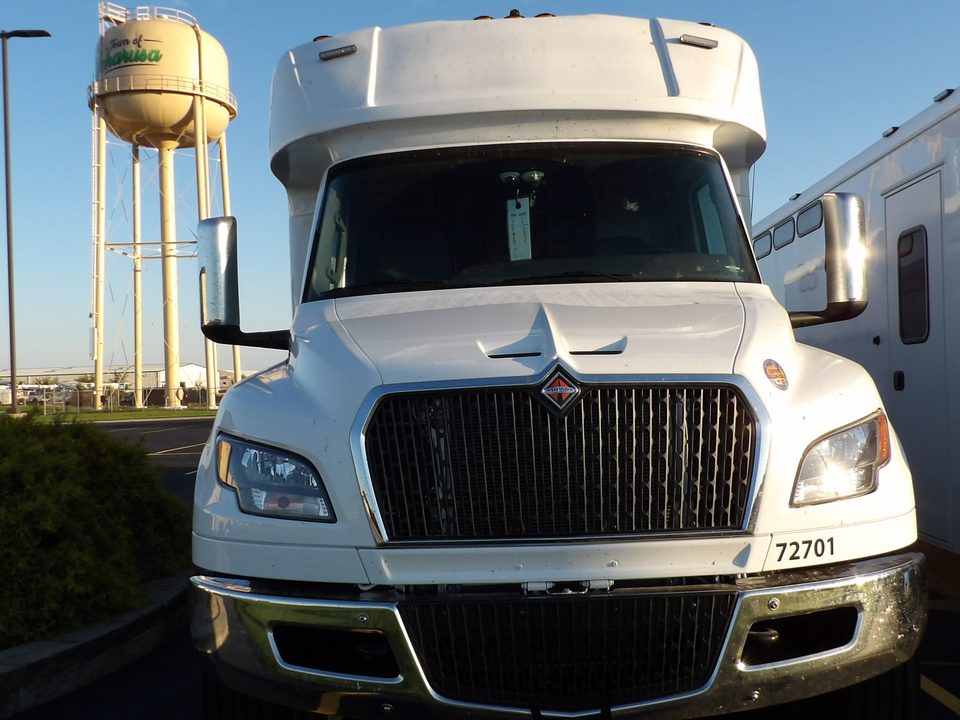
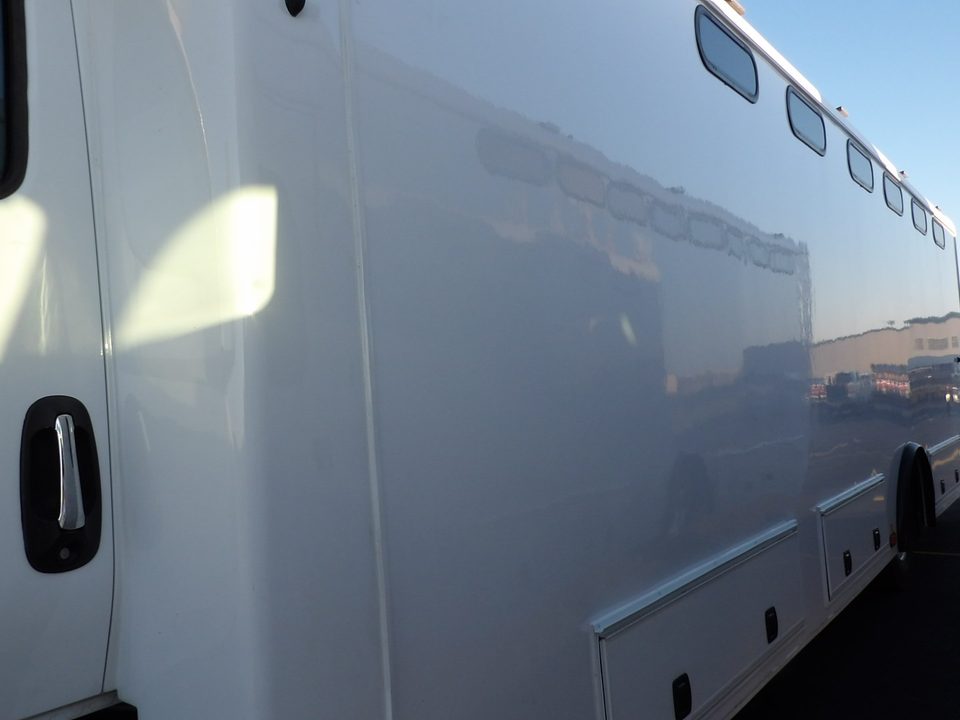
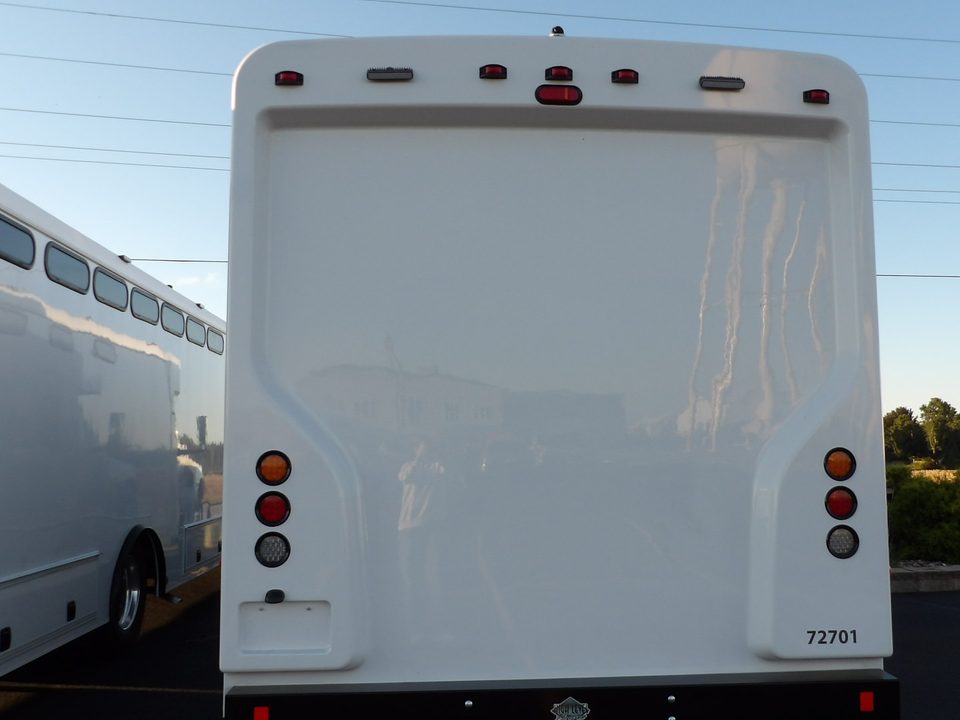
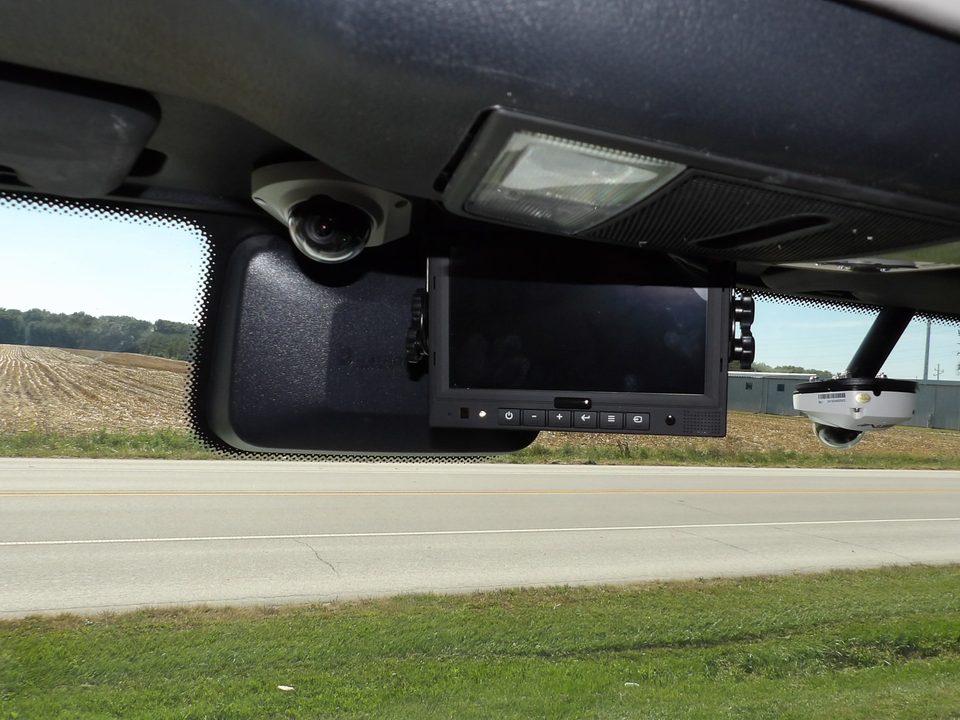
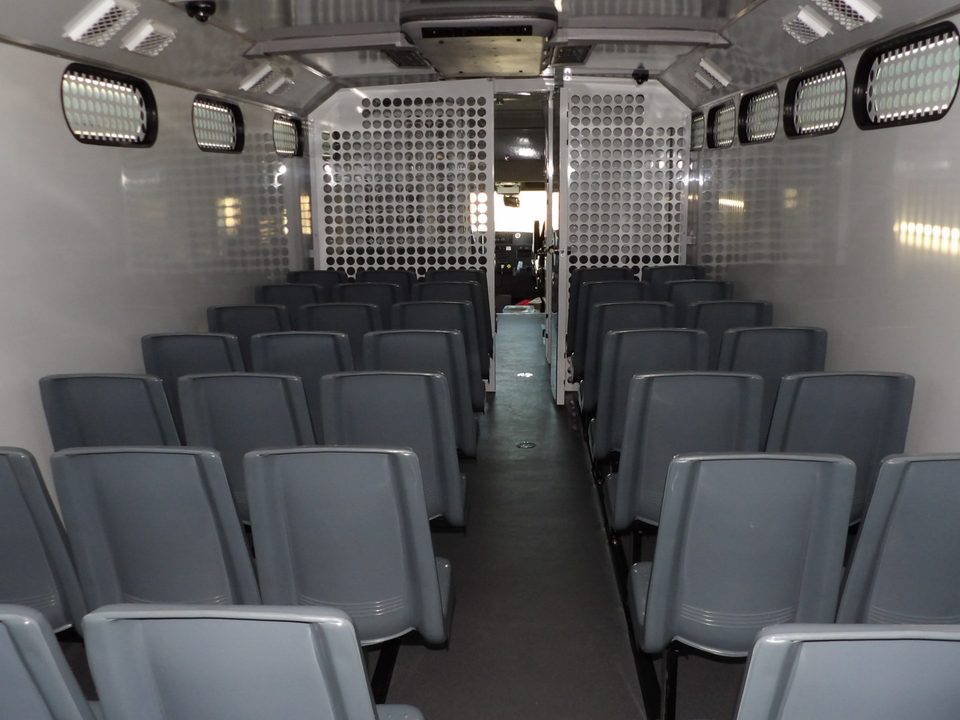
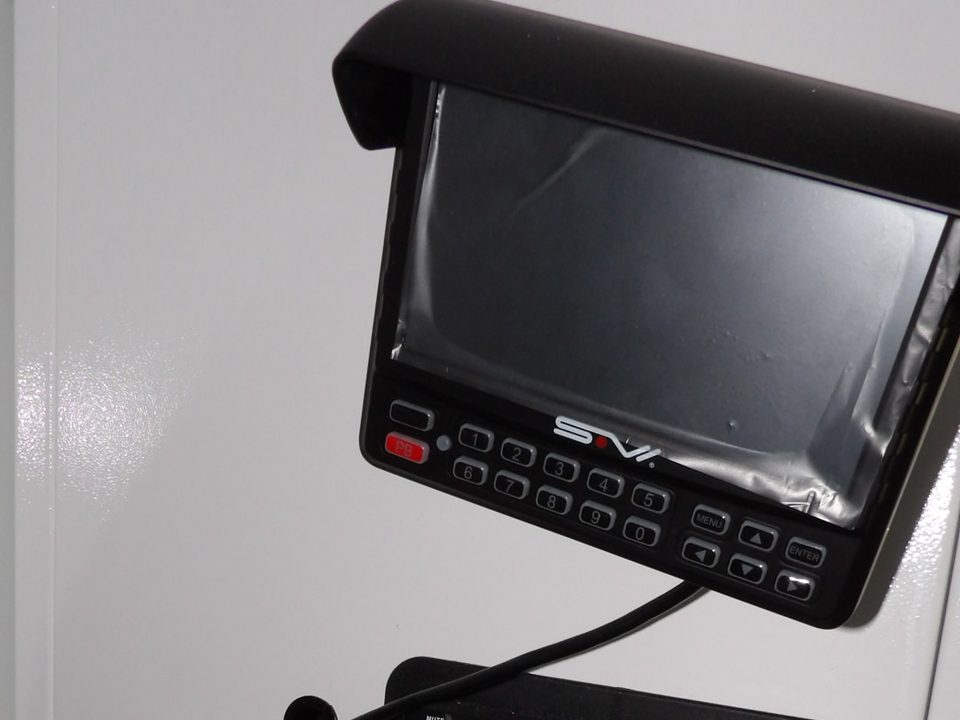
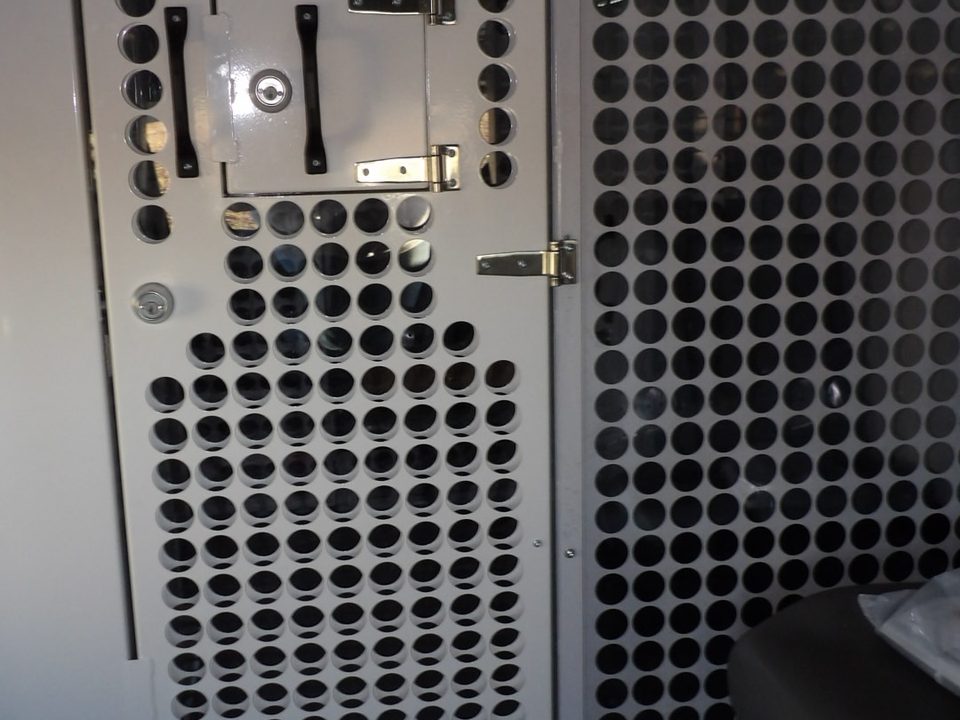
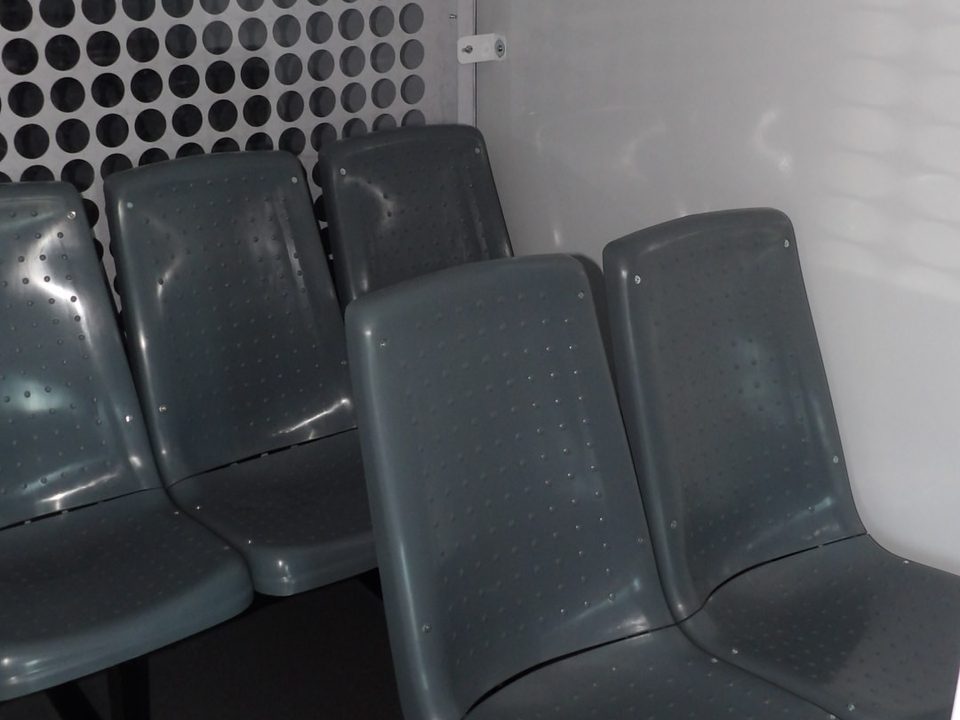
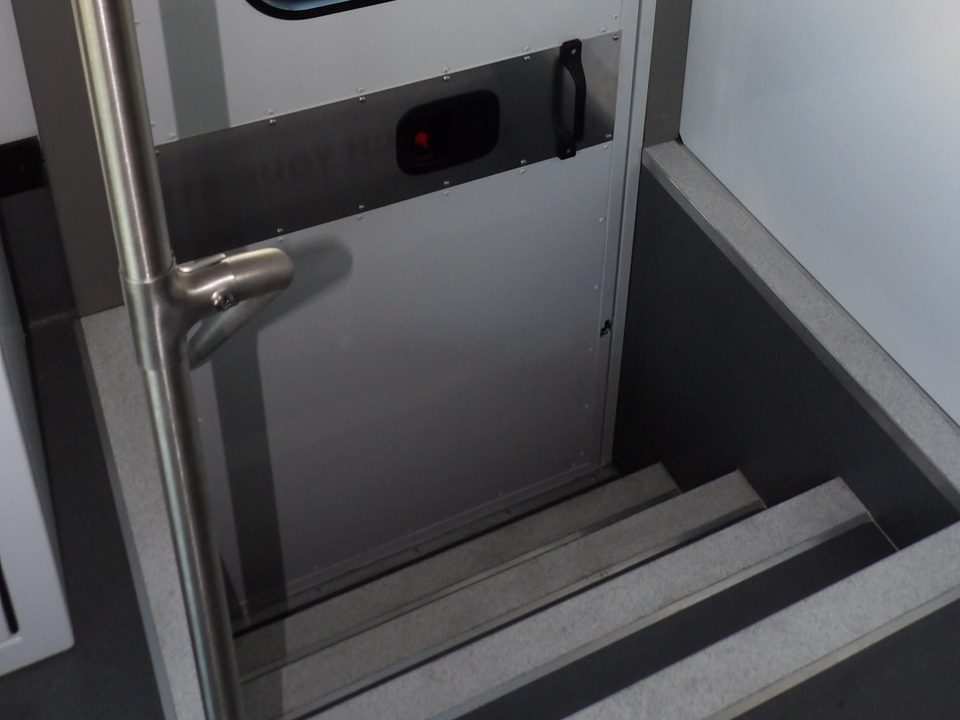
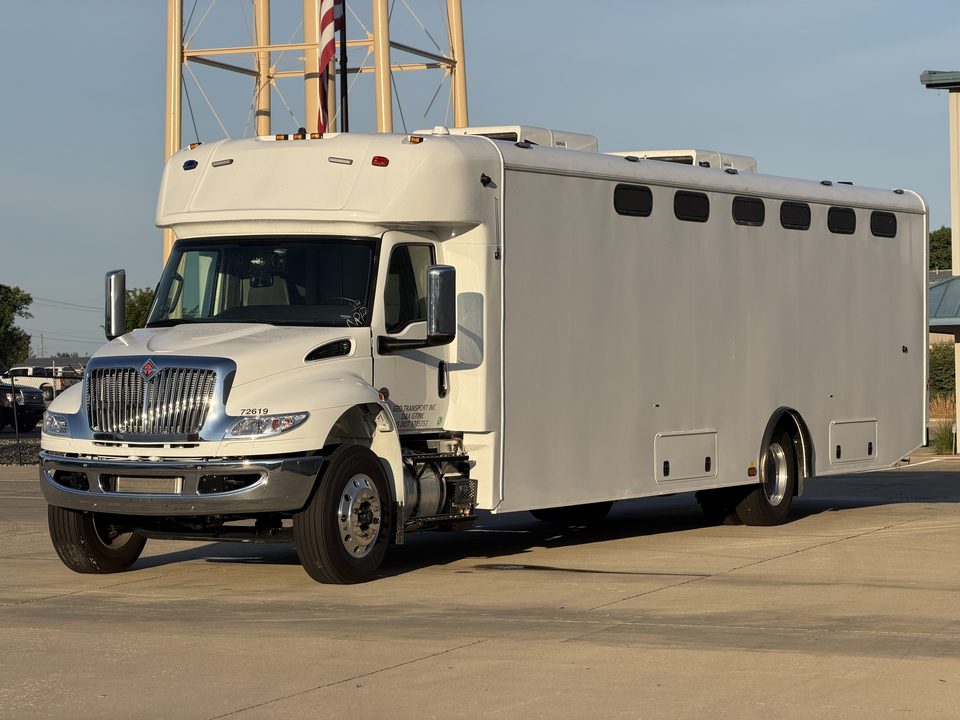
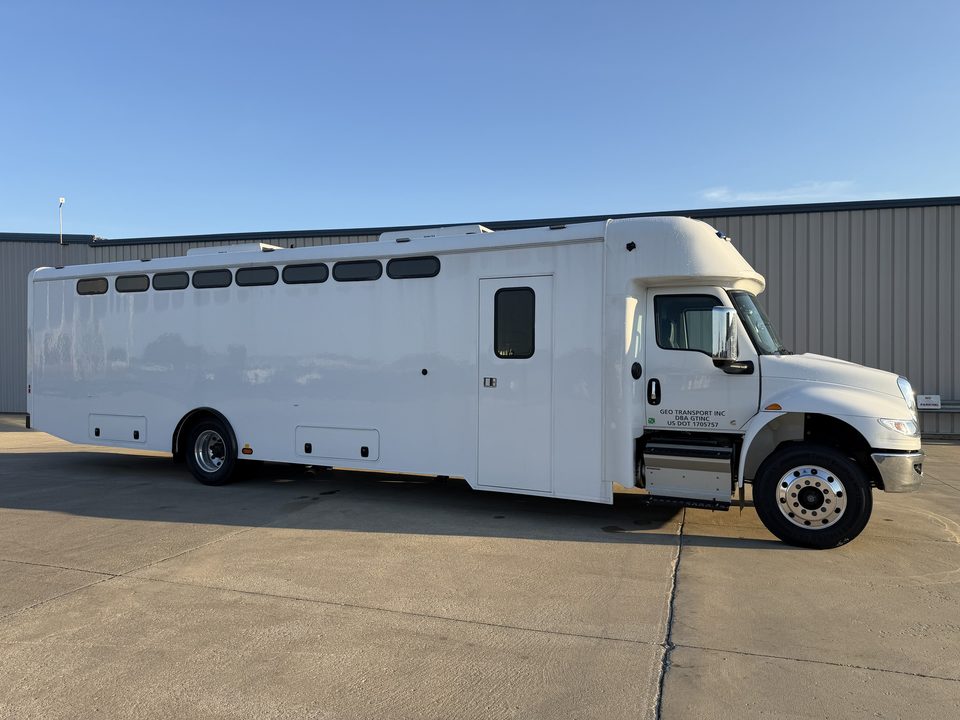
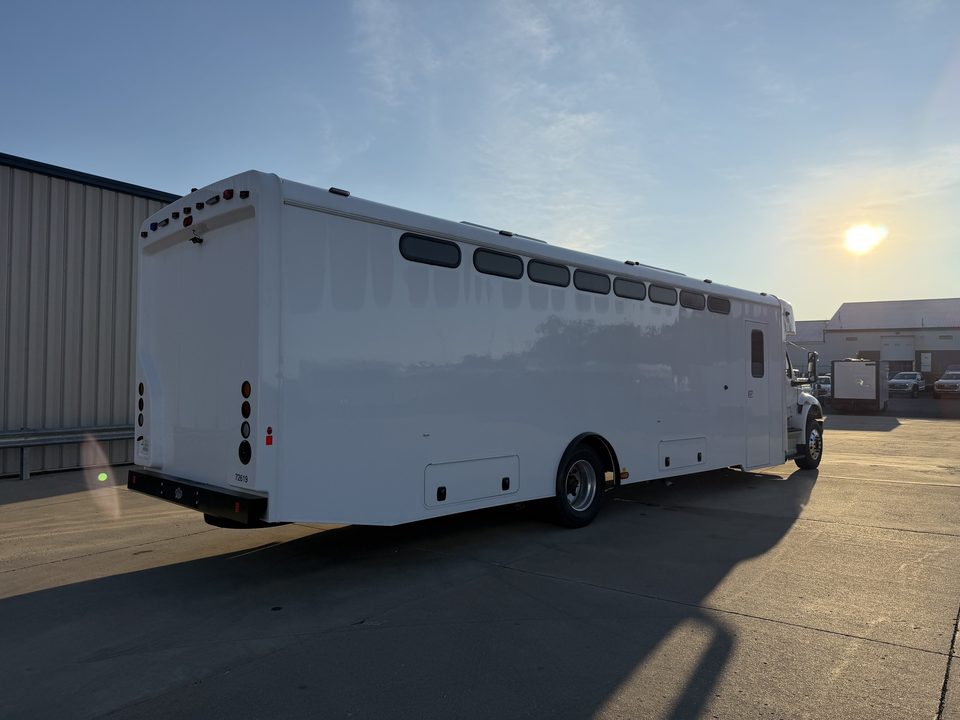
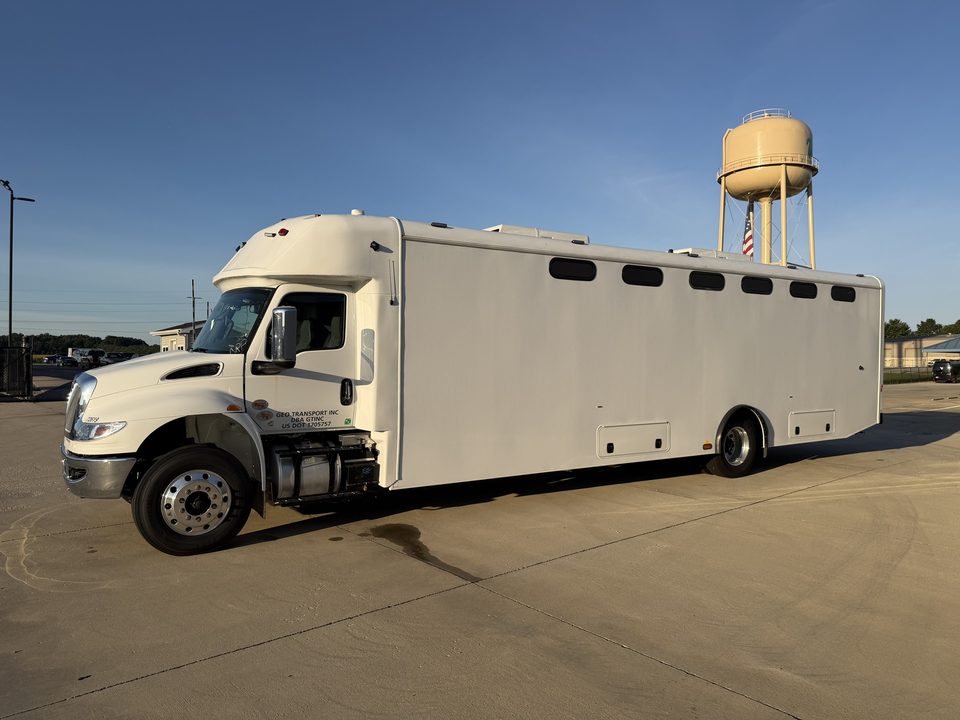
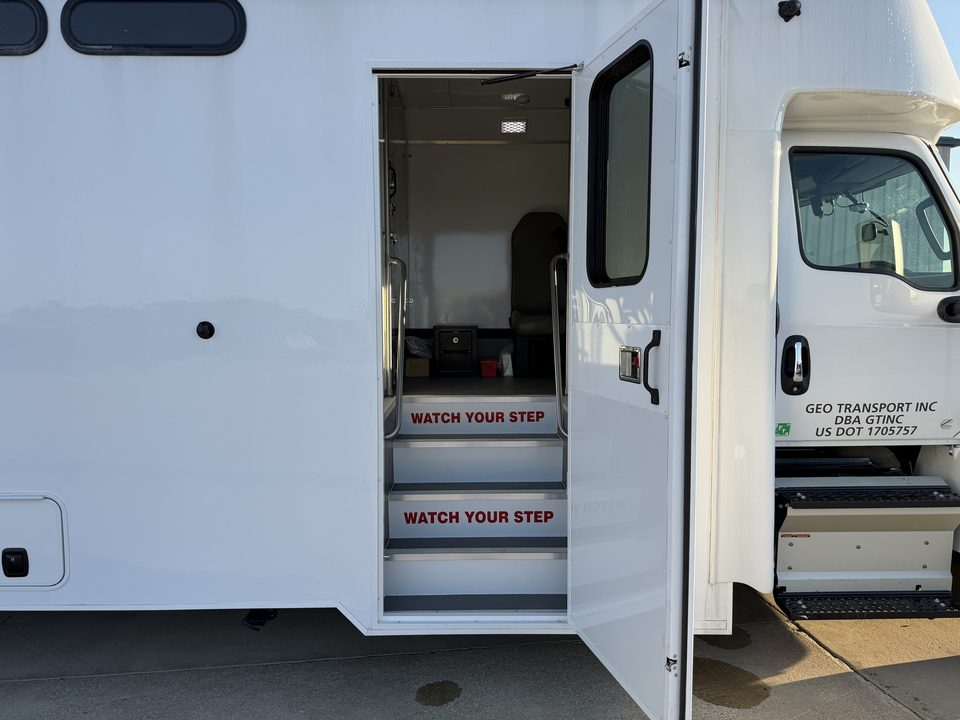
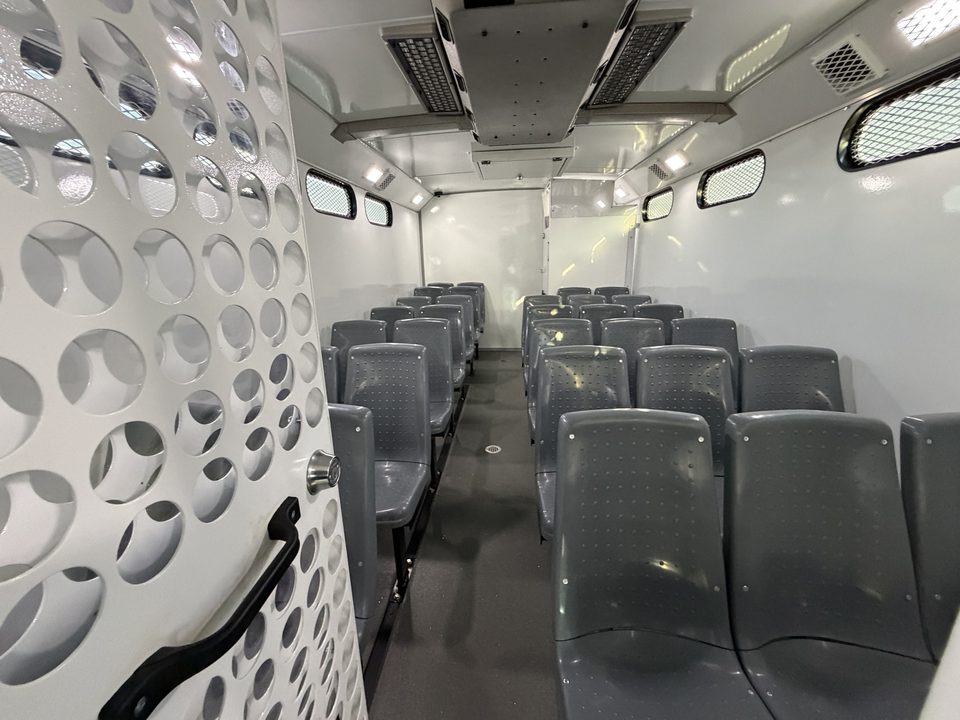
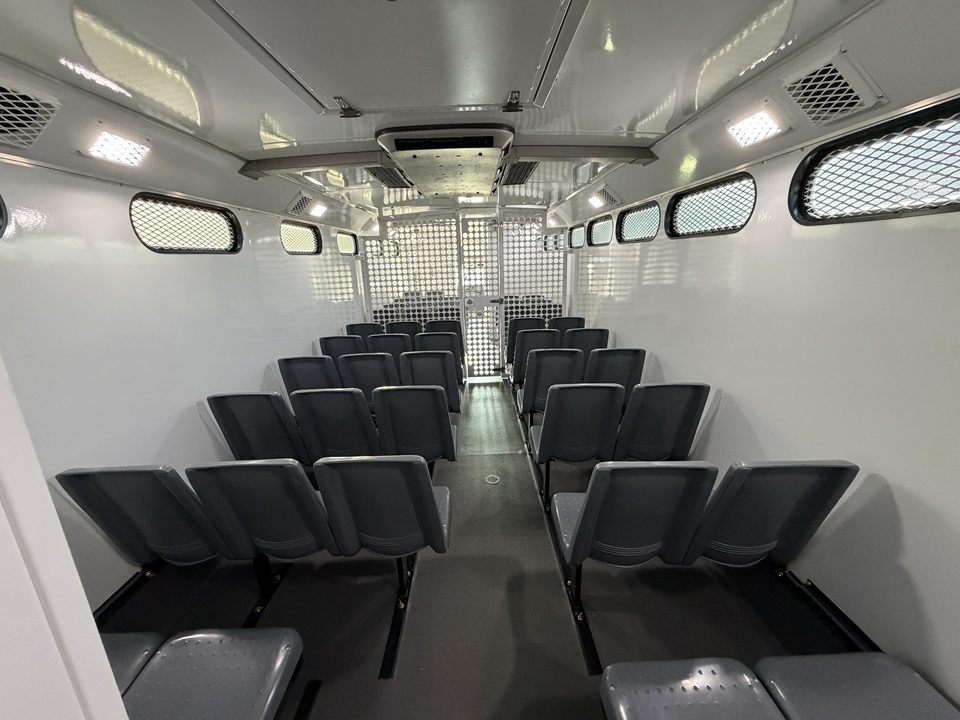
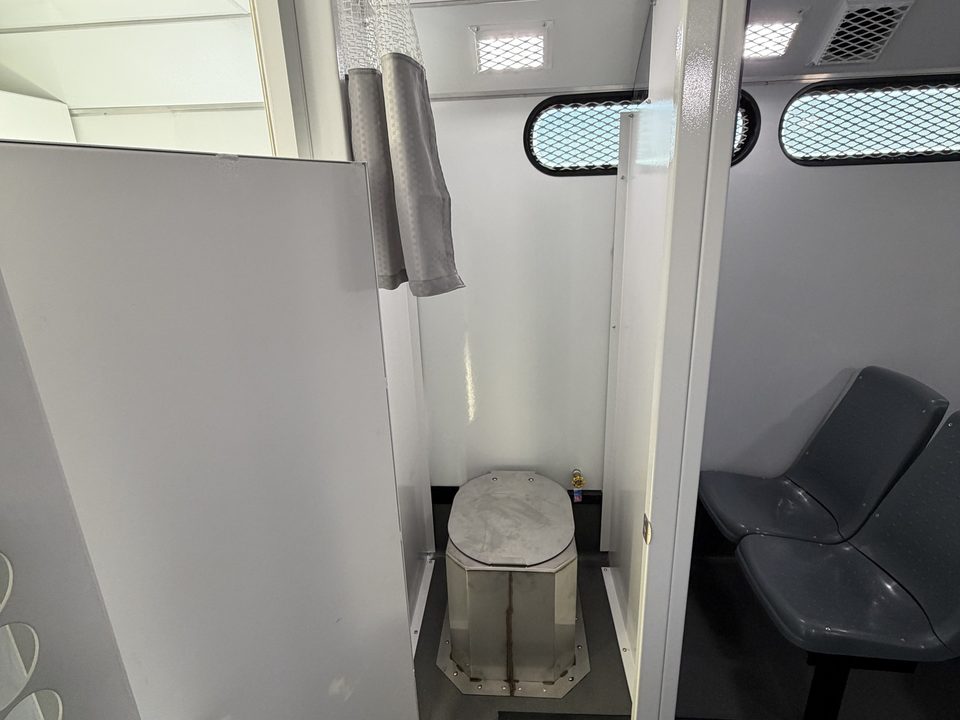
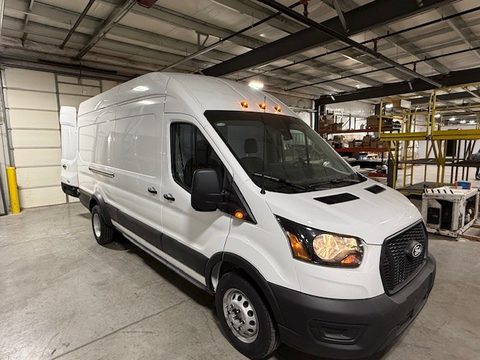
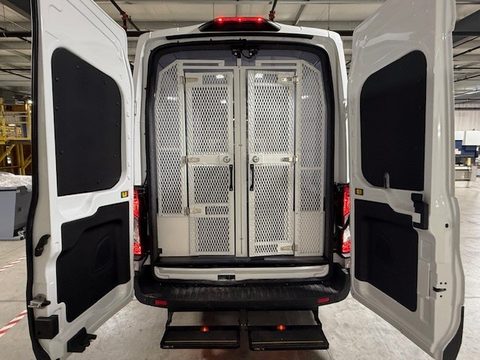
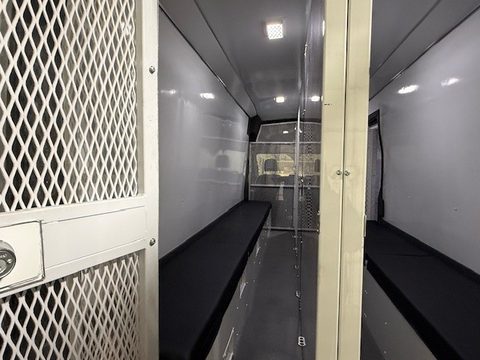
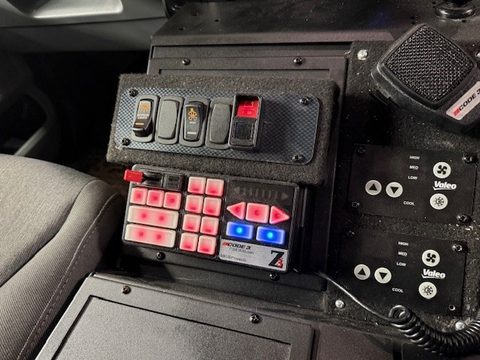
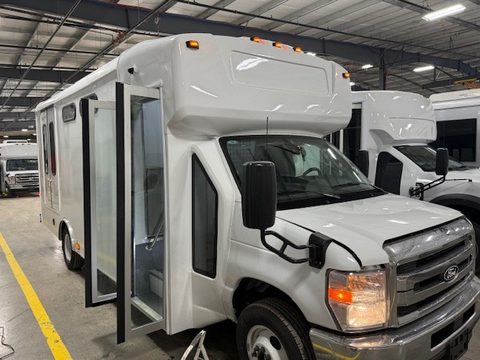
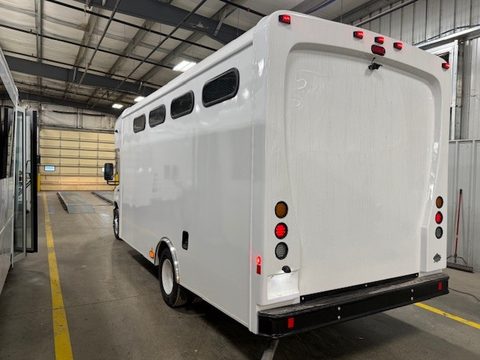
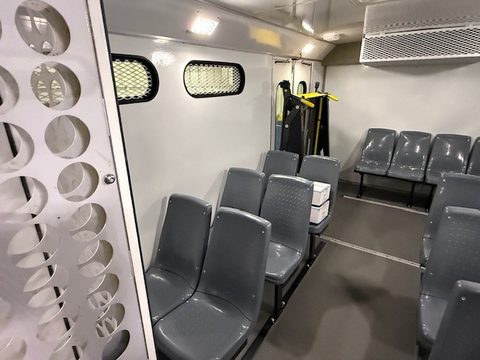
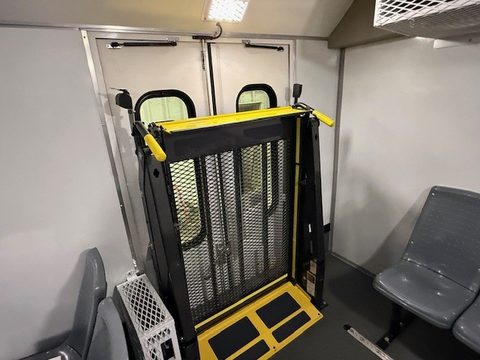
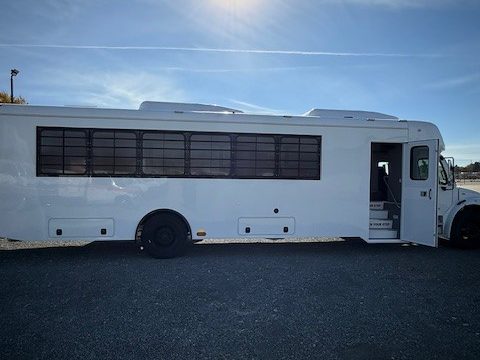
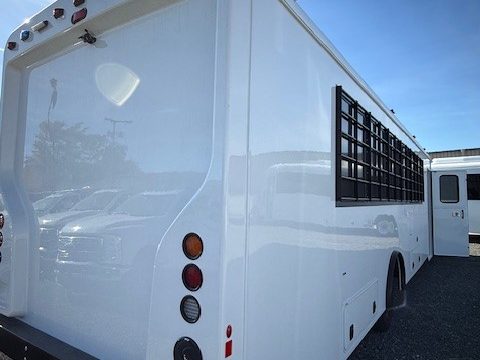
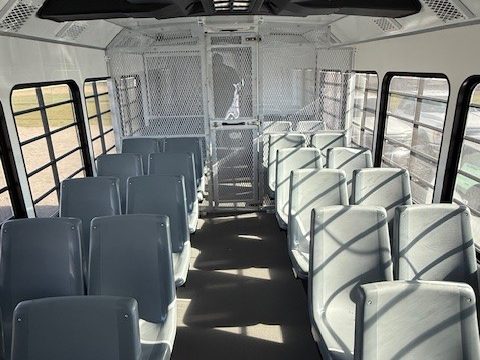
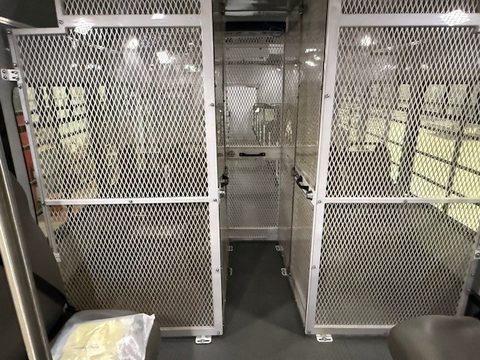
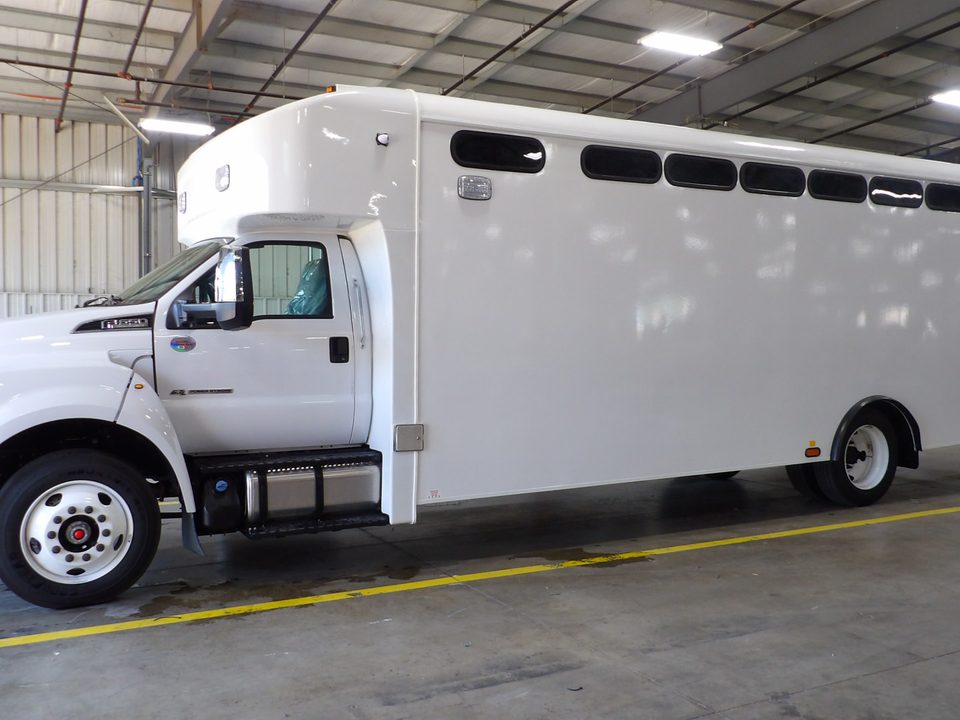
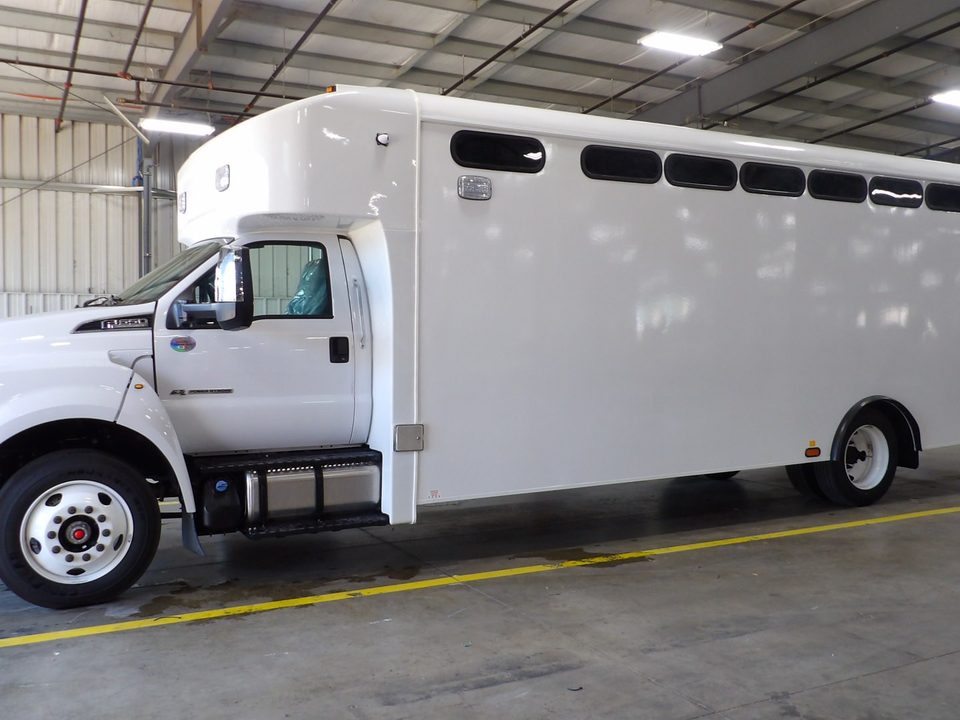
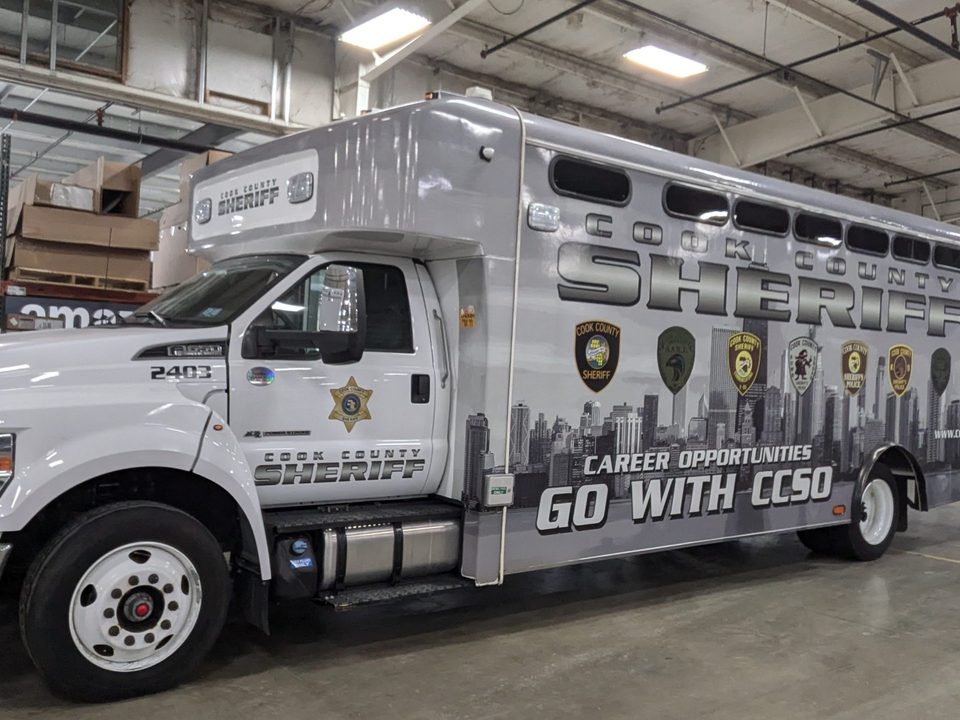
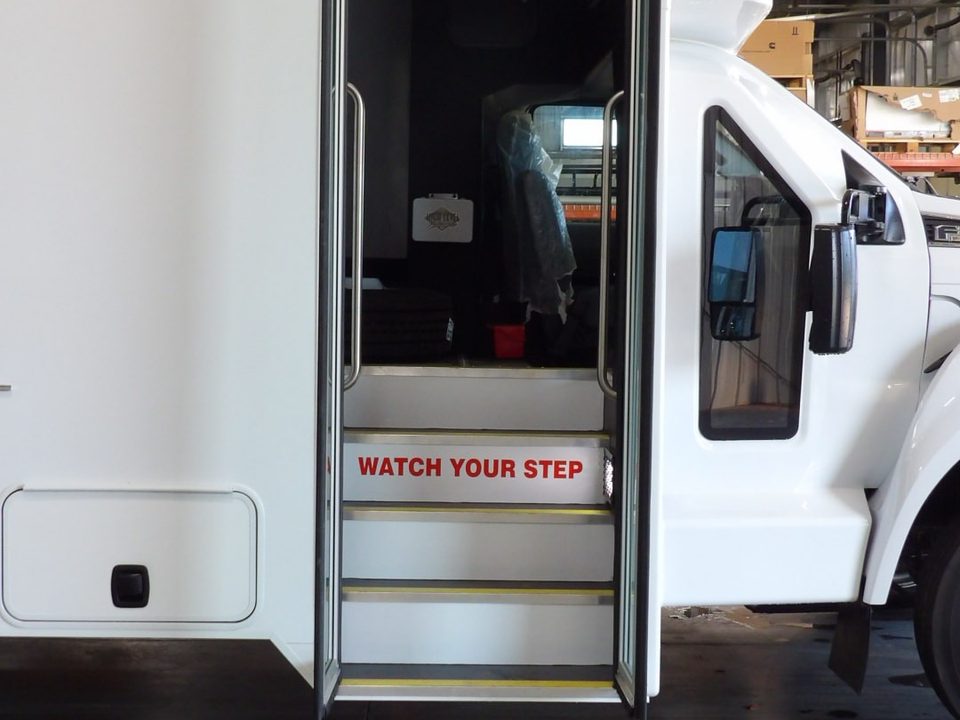
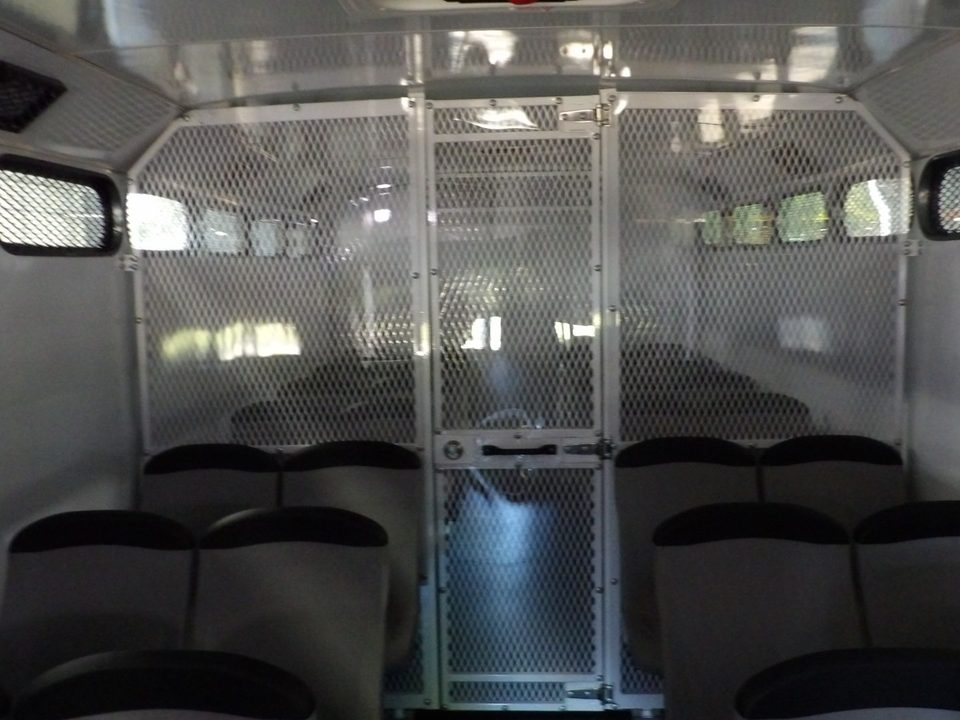
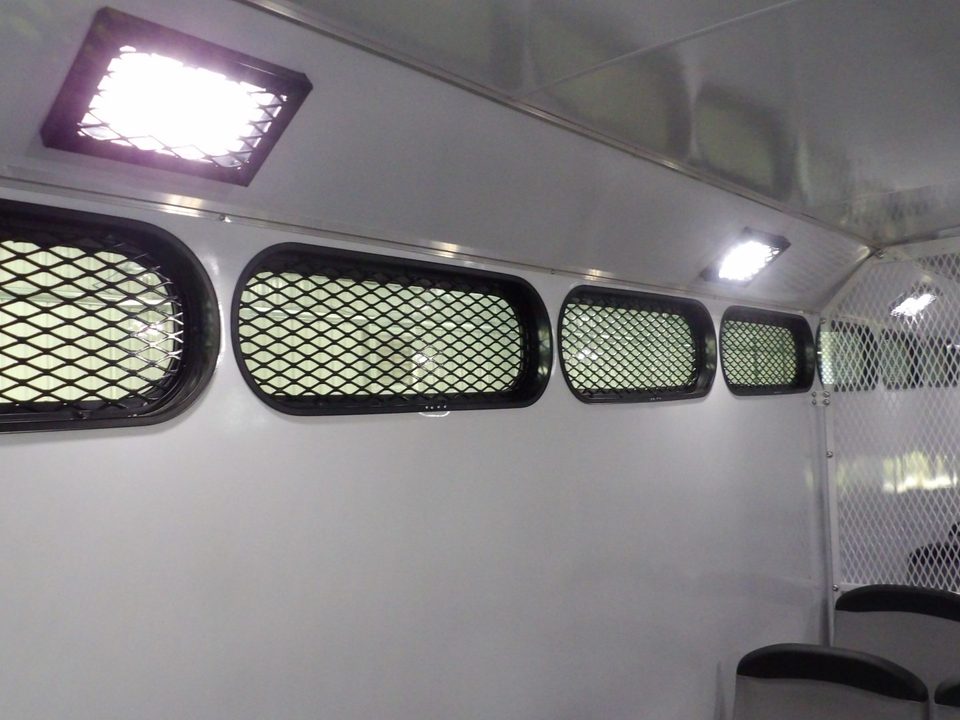
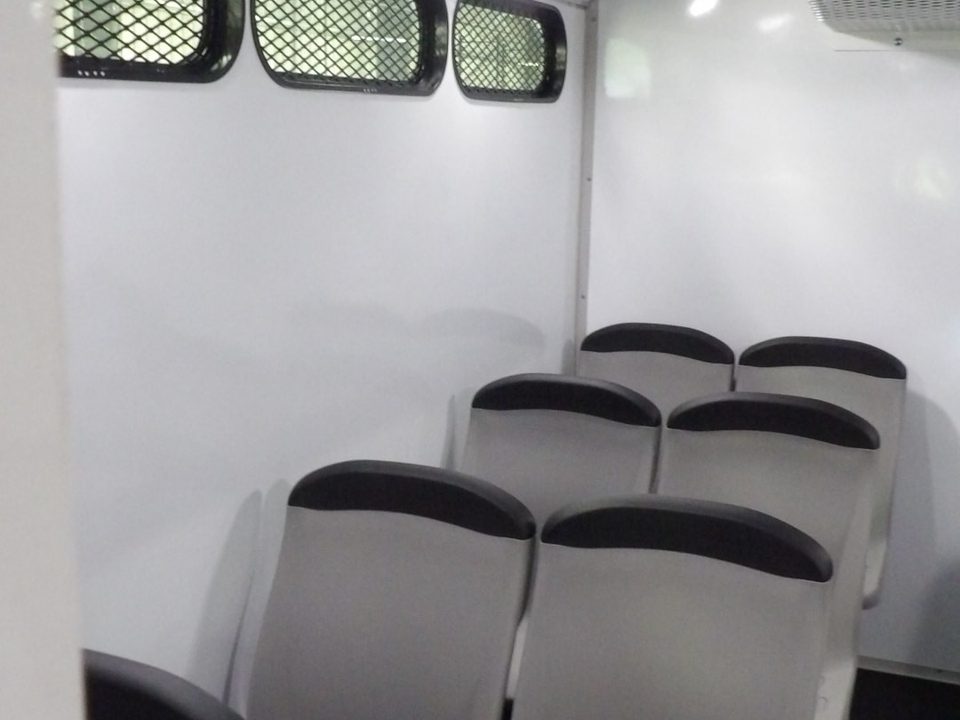
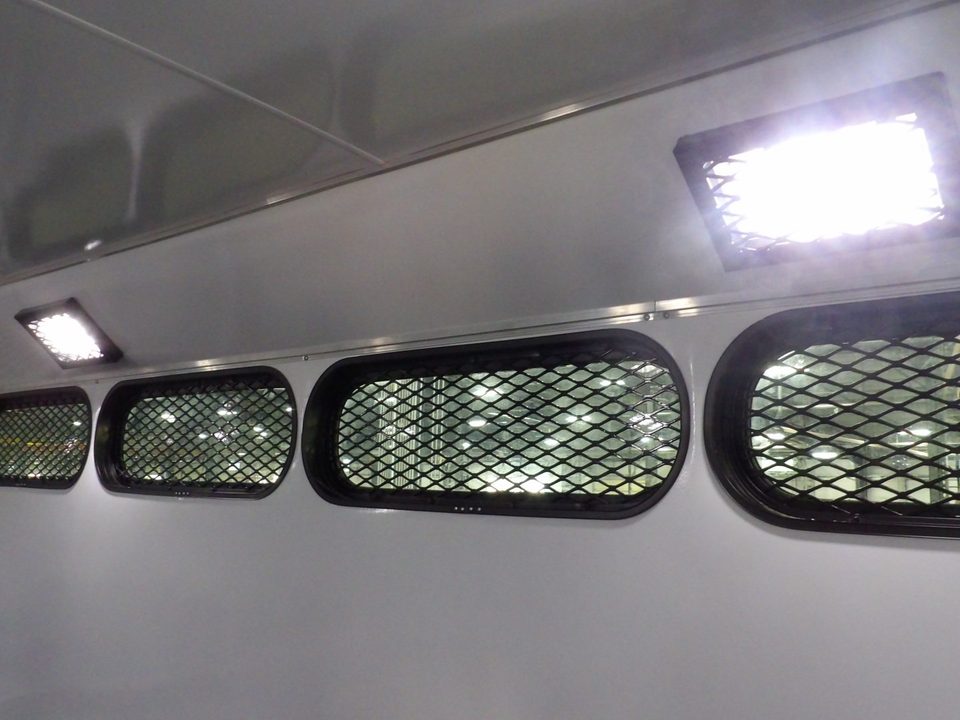
Start from a plan
Proven layouts to start from
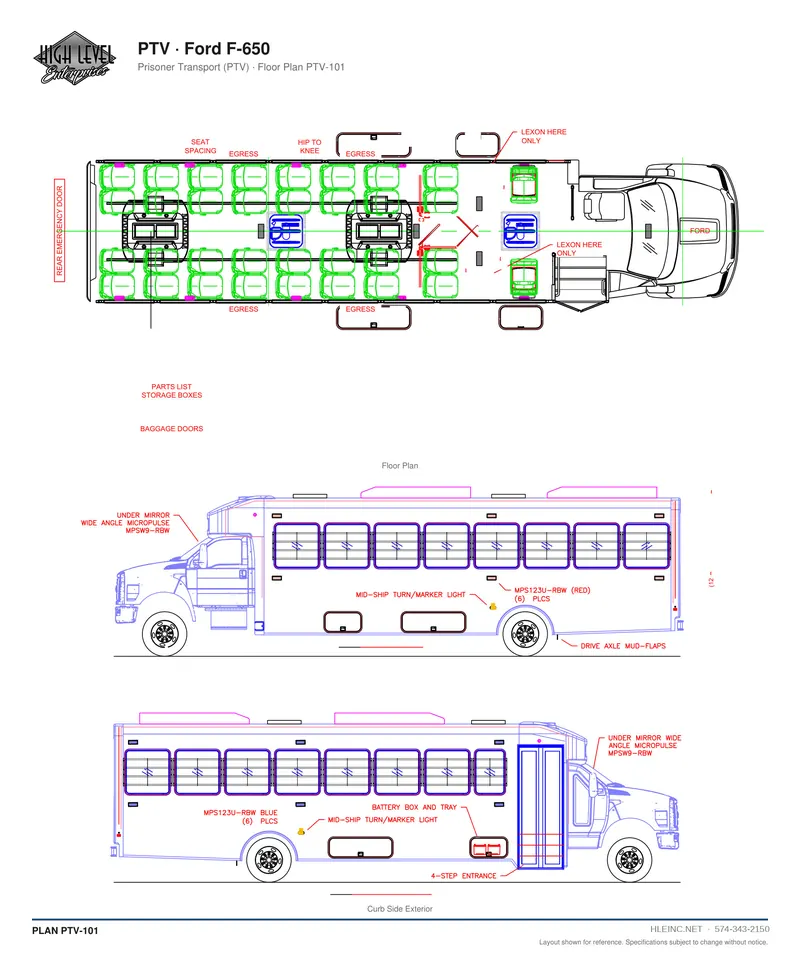
PTV
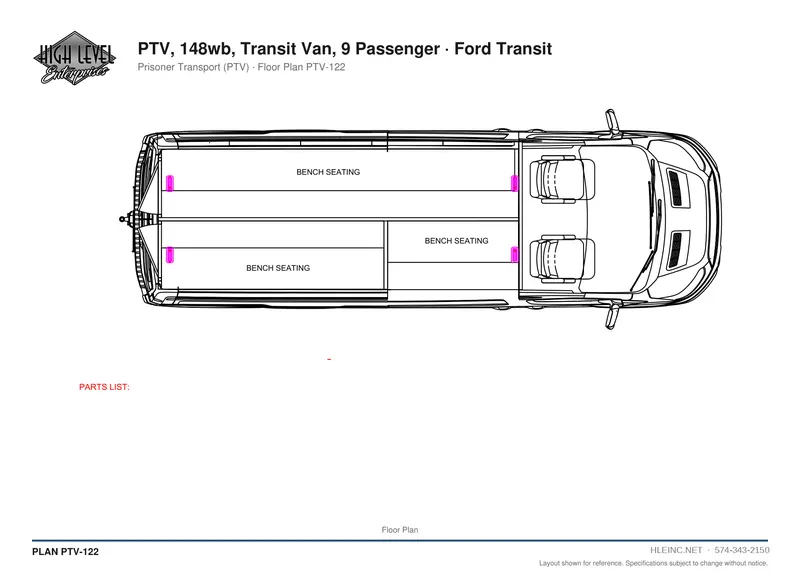
PTV, 148wb, Transit Van, 9 Passenger
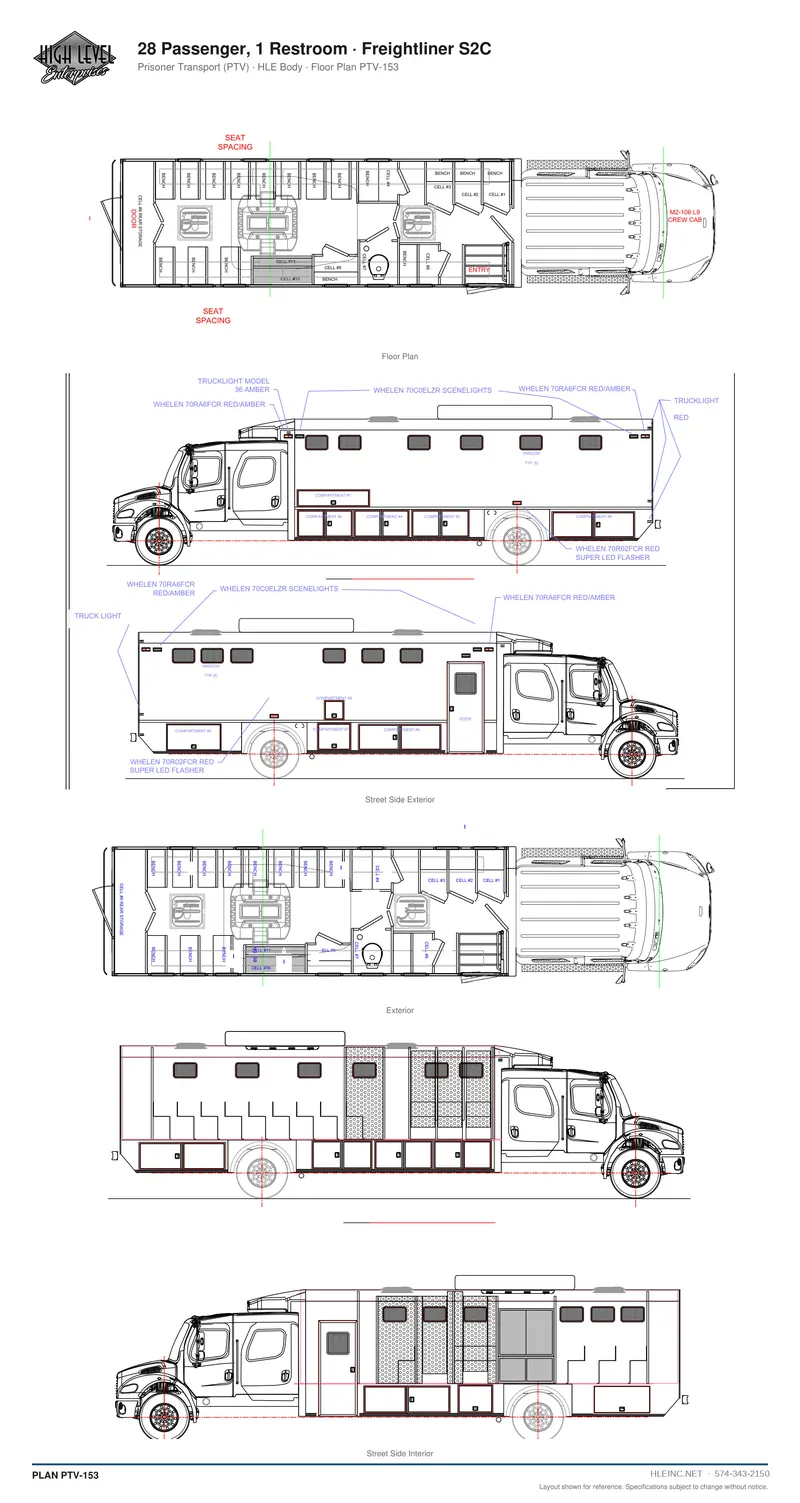
28 Passenger, 1 Restroom
Three of the plans drawn for this vehicle type. Every plan can be built as drawn or used as the starting point.
What drives the price
Not a tier. A size, a use and the equipment.
HLE does not build a cheap prisoner transport vehicle and a good one. It builds a cargo-van insert and a 48-passenger transport bus, on a van, a cutaway or a medium-duty bus, with the equipment you bring or the equipment HLE supplies. Four things move the number; everything else is detail.
The proposal itemizes each driver, so you can see what moves your number.
Prisoner transport vehicles
Typical range for recent HLE units, from the lowest sold to the highest quoted. Larger or more heavily equipped units run above it; your number comes with the proposal.
| Driver | Choices | Moves the range by |
|---|---|---|
| Platform and length | Ford Transit or E-350 van · Ford E-450, F-550 or Chevrolet 4500 cutaway · Ford F-650, Freightliner S2C or International MV607 medium-duty bus · ADA configurations on every platform | sets the base |
| Compartments and seats | One to three compartments in a van; 8 to 20 detainees in a cutaway; 30 to 48 in a bus, segregated by classification; ADA cell where required; restroom option on buses | itemized |
| Major equipment | Welded steel compartment cages and partitions, exterior window bars or interior caging, secure seating with restraint points, officer partition, camera, radio and GPS provisions, firearm securement, K-9 provisions | itemized |
| Access and power | ADA detainee seating where required · compartment HVAC and ventilation · interior lighting · panic alert and radio integration | itemized |
Most prisoner transport vehicle projects: 3 to 6 months after the signed order, deposit and chassis; fleet orders are scheduled in batches. A typical build does not run past 6 months; a rush build has gone from purchase order to finished unit in about 80 days (rush builds).
Get a budget price for a plan →Who buys a prisoner transport vehicle
- Sheriff’s departments and county jails — court transfers, medical runs and inter-facility moves. See buying a jail bus: what agencies overlook.
- State departments of corrections — high-capacity, multi-compartment buses on a standard specification.
- Private transport contractors and detention operators — fleet standardization, fast delivery, durability that holds resale value.
- Juvenile, medical and specialty transport programs — configurations built around a specific population.
What HLE builds
- Cargo-van inserts and transport vans — Ford Transit and E-350 based, one to three compartments, officer partition, secure seating and restraint points. See cargo van inserts.
- Cutaway transport units — Ford E-450 and F-550 based, 8 to 20 detainees, multiple compartments, ADA cell where required.
- Transport buses — Ford F-650, Freightliner S2C and International MV607 based, 30 to 48 detainees, segregated compartments, officer station, restroom option. See bus for prisoners: how these vehicles are built and prison bus inside.
- Refurbishment of existing transport vehicles — see prisoner transport vehicle refurbishment.
Security features
- Welded steel compartment cages and partitions with tamper-proof fasteners at every non-welded joint; custom-fabricated brackets to the cage walls.
- Exterior window bars painted to match, or interior window caging mounted inside the frame for a lower-profile look.
- Secure detainee seating with restraint points, ADA-compliant detainee seating where required.
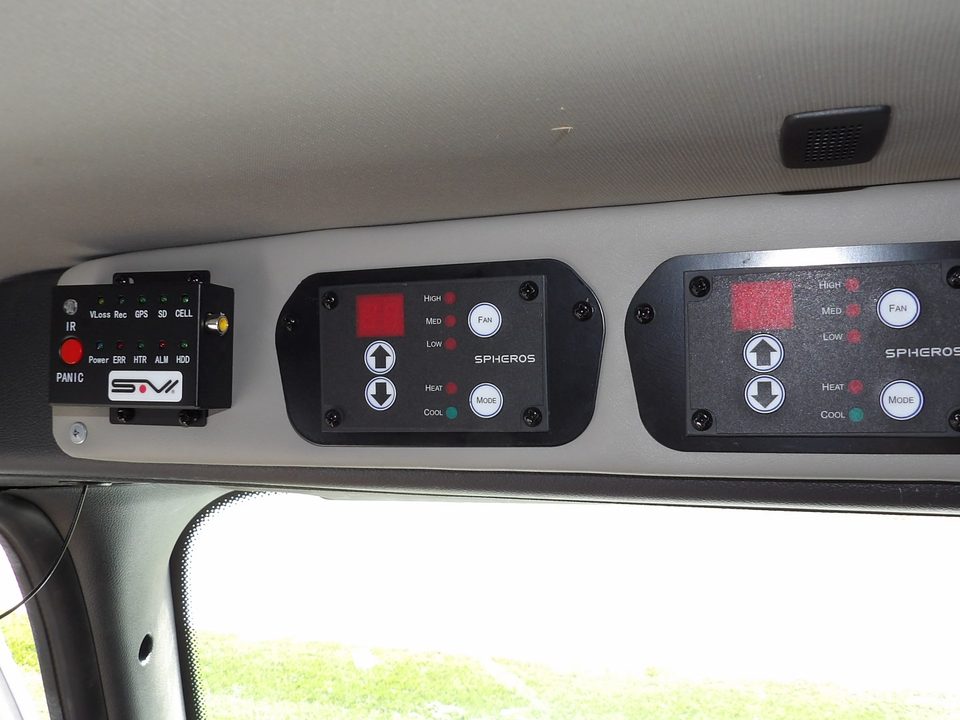
- Officer partition with sightlines, camera system provisions, panic alert and radio integration, GPS tracking provisions.
- Compartment HVAC and ventilation, interior lighting, easy-clean surfaces and drains, firearm securement, K-9 provisions. See prisoner transport accessories.
Built to the standards buyers check
FMVSS 207/210 seating and restraint anchorage · FMVSS 217 emergency exits on bus-classified units, balanced against security · PREA (28 CFR Part 115) sightline and monitoring requirements that shape compartment and camera design · ACA transport standards for ventilation, ratios and maintenance · state and agency transport policy. HLE designs to these from the first drawing and supplies the documentation for the bid file.
Platforms
Ford Transit and E-350 vans; Ford E-450, F-550 and Chevrolet 4500 cutaways; Ford F-650, Freightliner S2C and International MV607 medium-duty buses; ADA configurations on every platform. See the prisoner transport chassis guide. Floor plans you can start from are below.
Procurement and fleet support
Bid and specification assistance · fleet modernization planning · multi-unit standardization · capital budgeting support · procurement documentation. HLE has experience with direct agency bids and fleet-management-company purchasing.
How this unit is built
The construction column for a prisoner transport vehicle
What HLE does, and what to ask any builder before you compare quotes. The full column is on How we build it.
What HLE builds
1.5 in square steel tube cage, welded, powder-coated before the body goes on. Foam insulation cut to each cavity, not stuffed.
What to check on any proposal
Ask for the tube section and whether the cage is coated before or after assembly. "Steel frame" says neither.
What HLE builds
One-piece pressure-laminated sidewalls with no horizontal seam. Windows cut from the panel.
What to check on any proposal
How many pieces is the sidewall, and where do the seams fall? Every seam is a future leak.
What HLE builds
Harnesses built in HLE's own shop with marine-grade connectors, every circuit labeled at both ends, a panel drawing delivered with the unit.
What to check on any proposal
Ask for the panel drawing before delivery. If they cannot produce one, the next technician cannot either.
What HLE builds
Every unit through the rain booth: at least 15 minutes under full spray with a person inside looking for water, then straight into a road test with someone inside still watching for leaks.
What to check on any proposal
Ask whether every unit is water-tested and how. A hose in the yard is not a test.
Funds that pay for this unit
If a grant is paying, talk to us before the application.
Whoever supplies the floor plan, spec and budget to the application writes the spec the vehicle is later bid against. The kit has all three. The tracker has the rounds.
| Program | Closes | Status |
|---|---|---|
| Rural Violent Crime Reduction Initiative | Oct 30, 2026 | Due in 1 day |
| USDA Community Facilities Direct Loan and Grant | Rolling |
No open rounds right now. The full tracker has what is coming up.
Some of these rounds are not yet checked against the solicitation; the tracker flags them.
Proposal kit · Prisoner transport
Everything the application or the bid file needs
- Spec language in paste-ready paragraphs: body, materials, electrical, HVAC, compliance and testing
- Compliance statements: FMVSS, ADA, Altoona, Buy America
- Typical price range from recent HLE units, with the drivers that move it
- Warranty terms and lead time
- Vendor packet list: W-9, Buy America certificate, FTA TVM eligibility, registration IDs, references
- Dimensioned plan sheets on request, not in the kit
Common questions
What sheriffs and fleet managers ask first
How many detainees can a unit carry?
A van carries a handful; cutaway units carry roughly 8 to 20; transport buses carry 30 to 48 in segregated compartments. Capacity is balanced against officer oversight and the classifications you transport together.
Can compartments be configured for different custody classifications?
Yes. Segregated compartments, male/female separation, juvenile or medical compartments and an ADA cell are all layout options.
Are cameras, GPS and radios integrated?
Yes — provisions are built in and equipment installed to your agency’s standard, or pre-wired for your radio shop.
Does the vehicle meet PREA and ACA standards?
Compartment sightlines, camera placement, ventilation and separation are designed to PREA and ACA transport standards, and HLE documents it for the bid file.
Can we buy through a cooperative purchasing agreement?
Yes. HLE is an authorized upfit partner of Olathe Fleet under Sourcewell contracts 032824-OLA and 081325-OLA, confirmed in Olathe Fleet’s letter of October 15, 2026 (download the letter). Eligible members (government agencies, educational institutions and nonprofits) buy without additional competitive bidding. HLE coordinates the purchase order with Olathe Fleet and submits a quote that references the Sourcewell contract; HLE builds the unit. HLE also answers agency bids directly and can standardize a fleet to one specification across multiple orders.
Do you refurbish existing transport vehicles?
Yes. See prisoner transport vehicle refurbishment and public safety fleet refurbishment.
Request a proposal
Tell us the vehicle. We tell you what it costs and what to attach.
Pick a plan or describe the program. Say whether you need a price, a bid package, a grant kit or a formal proposal. A person at HLE reads every request; nothing goes to a queue.
Or call 574-343-2150, 7:30 to 4:30 Eastern, and ask for Tabatha.